


Understanding Frozen Shoulder in Women
Frozen shoulder — adhesive capsulitis — disproportionately affects women aged 40–60 and around the menopausal transition. It is painful, persistent and often misunderstood, but it follows a predictable phased pattern and responds well to phase-appropriate rehabilitation.
Understanding the Phases Adhesive capsulitis moves through a freezing (painful) phase, a frozen (stiff but less painful) phase, and a thawing (recovery) phase. Aggressive stretching during the freezing phase flares inflammation and prolongs recovery; the same movement done in the frozen phase is safe and helpful. Getting the timing right is what changes the trajectory.
Practical Steps for Recovery
- Get an Accurate Diagnosis: Frozen shoulder is often confused with rotator cuff issues — a clear diagnosis changes the entire treatment plan.
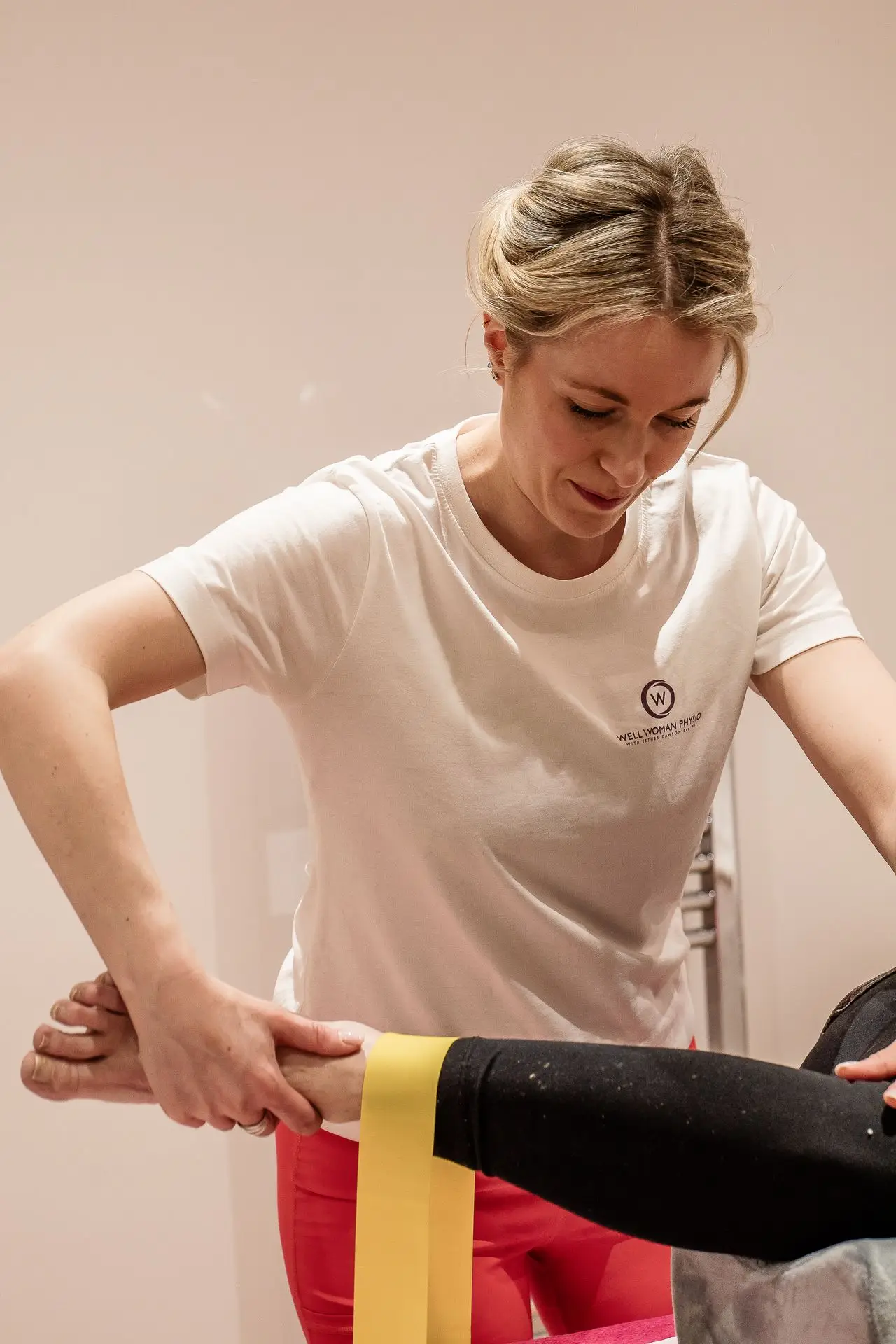
- Match Rehab to the Phase: Pain relief and gentle mobility during freezing; progressive stretching and strengthening in the frozen and thawing phases.
- Manage Daily Load: Sleep positions, dressing techniques and workspace setup all reduce nightly flare-ups.
- Consider Wider Health: Thyroid function, diabetes control and HRT discussion with your GP support tissue recovery.
When to Seek Specialist Support Left untreated, frozen shoulder can last 12–36 months. With early physiotherapy, most people see meaningful improvement in 6–12 months. If shoulder pain has lasted more than a few weeks with progressive stiffness — particularly loss of external rotation — a specialist assessment identifies the phase and shortens recovery.
Recovery is faster when rehab meets you at the right stage. Book a Musculoskeletal Assessment today for a clear plan tailored to your phase.