


Fumbling small tasks — buttons, keys, cups — is easy to brush aside. But when hand clumsiness becomes persistent or worsens, it can be an early warning of cervical spine or peripheral nerve involvement that responds far better to early intervention than to waiting.
Understanding the Possible Causes Progressive loss of hand dexterity is a clinical sign with identifiable causes: cervical myelopathy (spinal cord compression in the neck), nerve entrapments (carpal or cubital tunnel), cervical radiculopathy (a pinched nerve root), and inflammatory or neurological conditions. Each has a different treatment pathway, so accurate diagnosis matters more than a generic hand-strengthening programme.
Practical Steps for Assessment
When to Seek Specialist Support Sudden onset, progressive worsening, or clumsiness with balance or gait changes deserves prompt review — cervical myelopathy in particular benefits from early diagnosis. Milder or intermittent symptoms still warrant assessment if they persist beyond a few weeks or interfere with daily tasks.
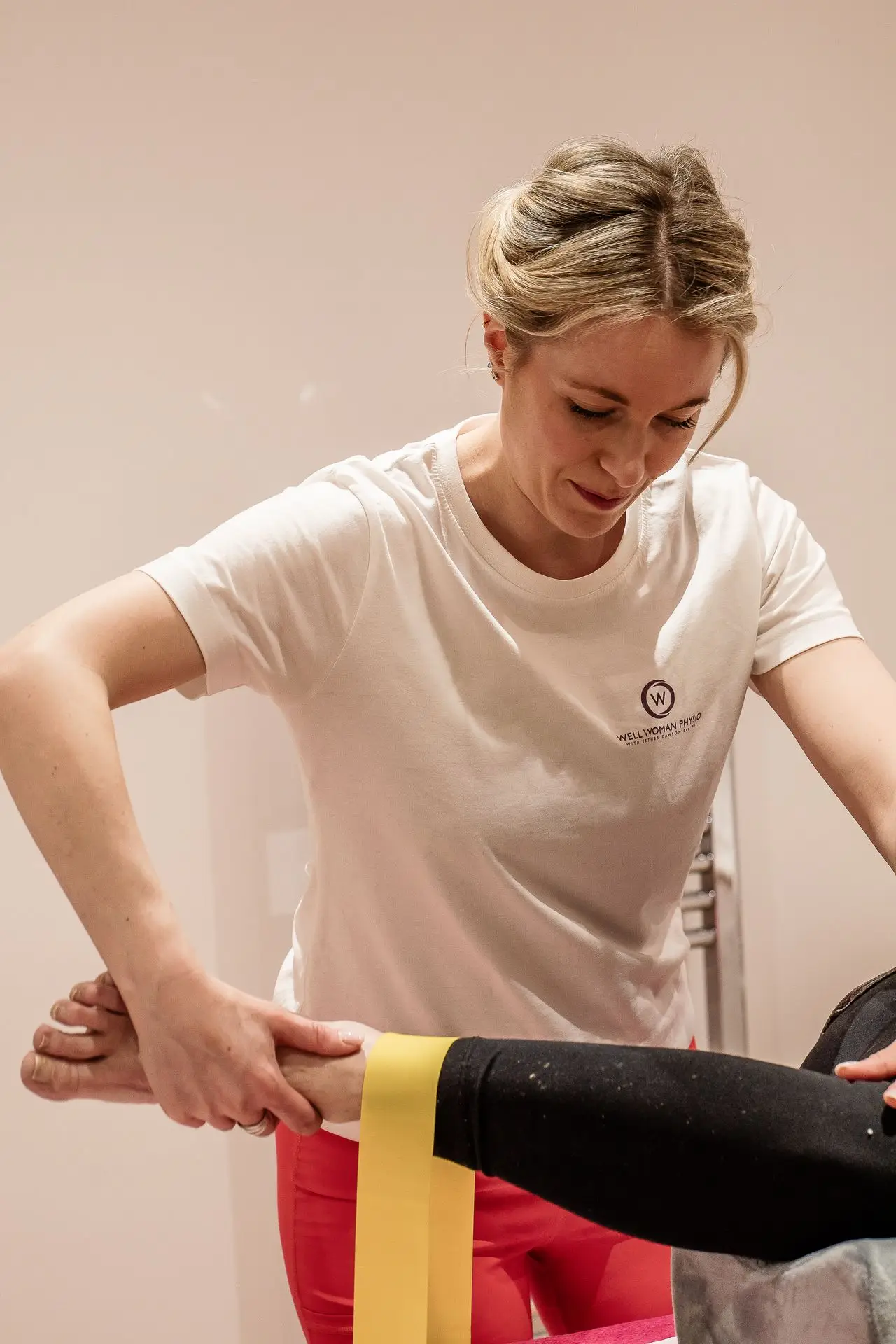
Persistent hand clumsiness is not “just clumsiness” — it deserves an answer. Book a Musculoskeletal Assessment today for a clear diagnosis and appropriate next steps.










A little expert advice, straight to your inbox ......
Practical, evidence-based advice on pelvic health, menopause, muscle and joint health, and keeping active.
Plus, access to free patient guides and useful resources.
Occasional emails. No spam. Unsubscribe anytime.