



Plantar Fasciopathy: Straight Answers
Plantar fasciopathy — the painful, load-related condition of the plantar fascia on the sole of the foot — is one of the most common heel pain diagnoses in midlife women. This is a quick-reference guide to the questions patients ask most, with clear answers grounded in current evidence.
Understanding the Name and What It Means The old term was “plantar fasciitis” — an inflammation. Modern research shows the tissue changes are primarily degenerative and load-related, not inflammatory, which is why the current term is “fasciopathy.” That single shift changes the treatment: loading beats rest, and progressive strengthening beats stretching alone.
Practical Steps for Recovery
- Recognise the Pattern: Sharp heel pain with first steps in the morning or after long sitting, easing as you move, is the hallmark symptom.
- Identify the Load Change: A new job on your feet, more walking, new footwear, weight change or menopause-related tissue changes are common triggers.
- Follow the Best-Evidence Rehab: Heavy slow calf raises with the toes elevated (Rathleff protocol) plus load modification.
- Set Realistic Timelines: Meaningful improvement in 12 weeks; full recovery often 6+ months of consistent loading.
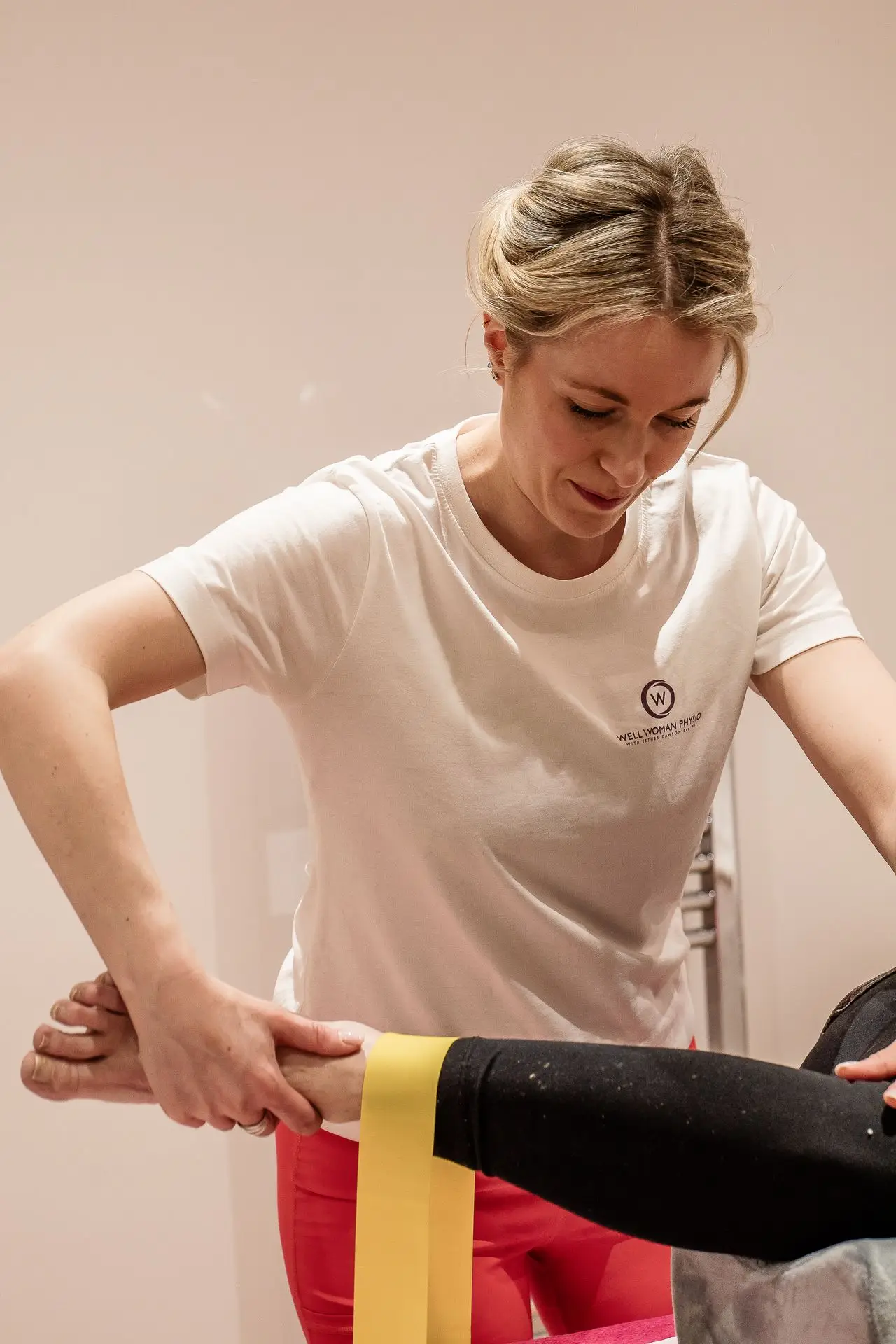
When to Seek Specialist Support If heel pain has lasted more than two or three weeks, is affecting your daily activity, or is not responding to simple measures, a physiotherapy assessment provides a clear diagnosis and a personalised loading plan. Structured rehab typically shortens recovery significantly.
Plantar fasciopathy responds to the right stimulus — load — applied at the right dose. Book a Musculoskeletal Assessment today for a diagnosis and a personalised loading plan.