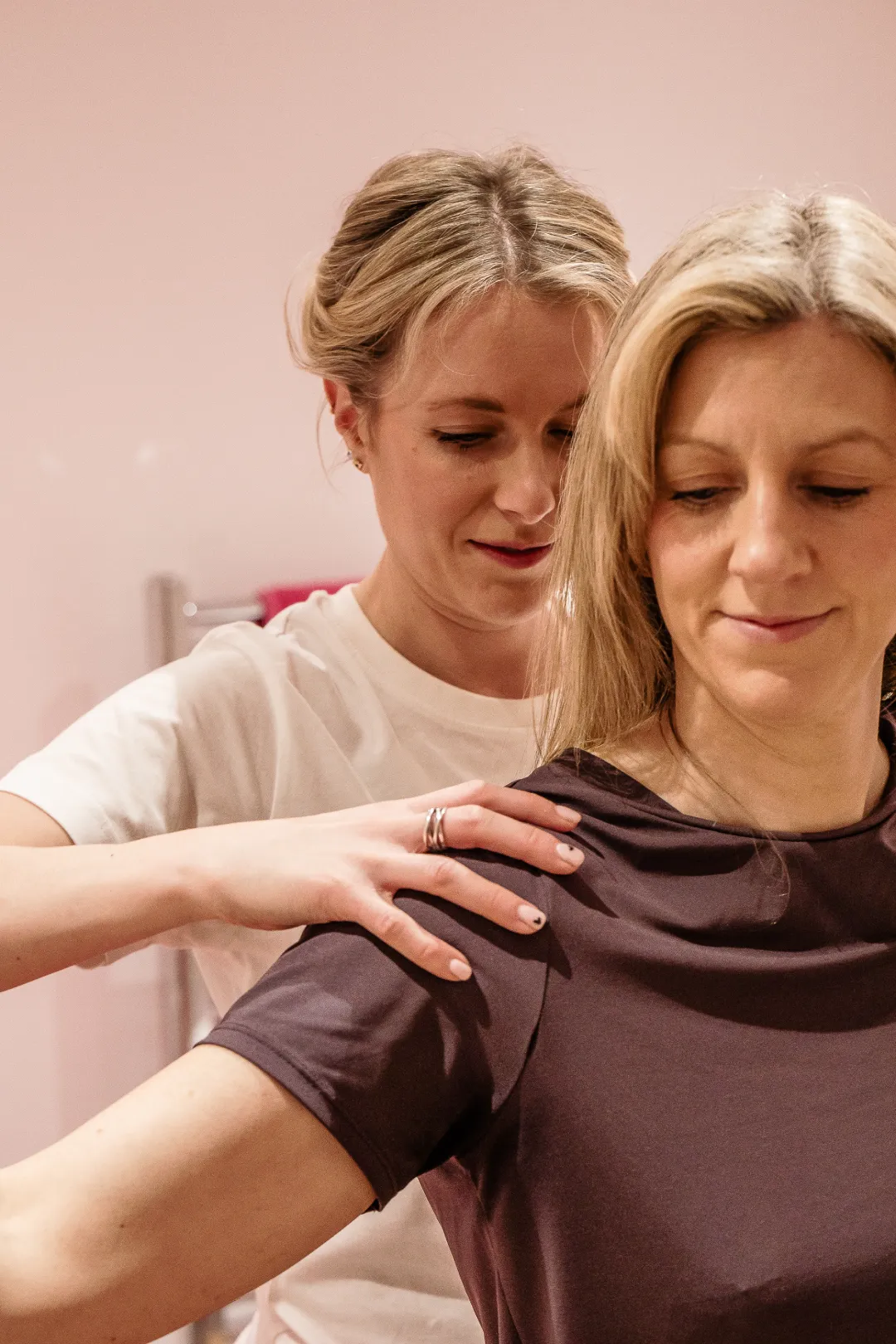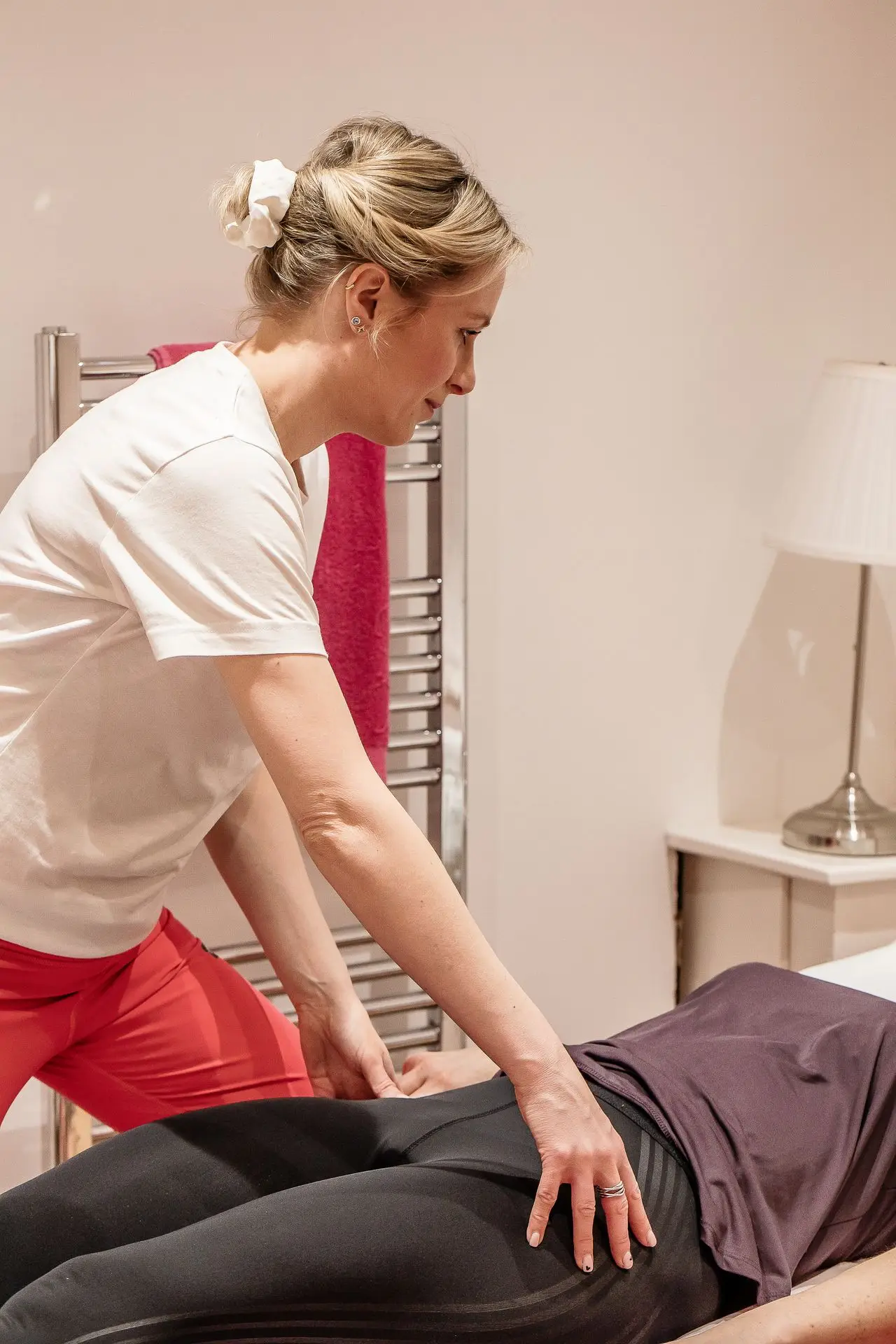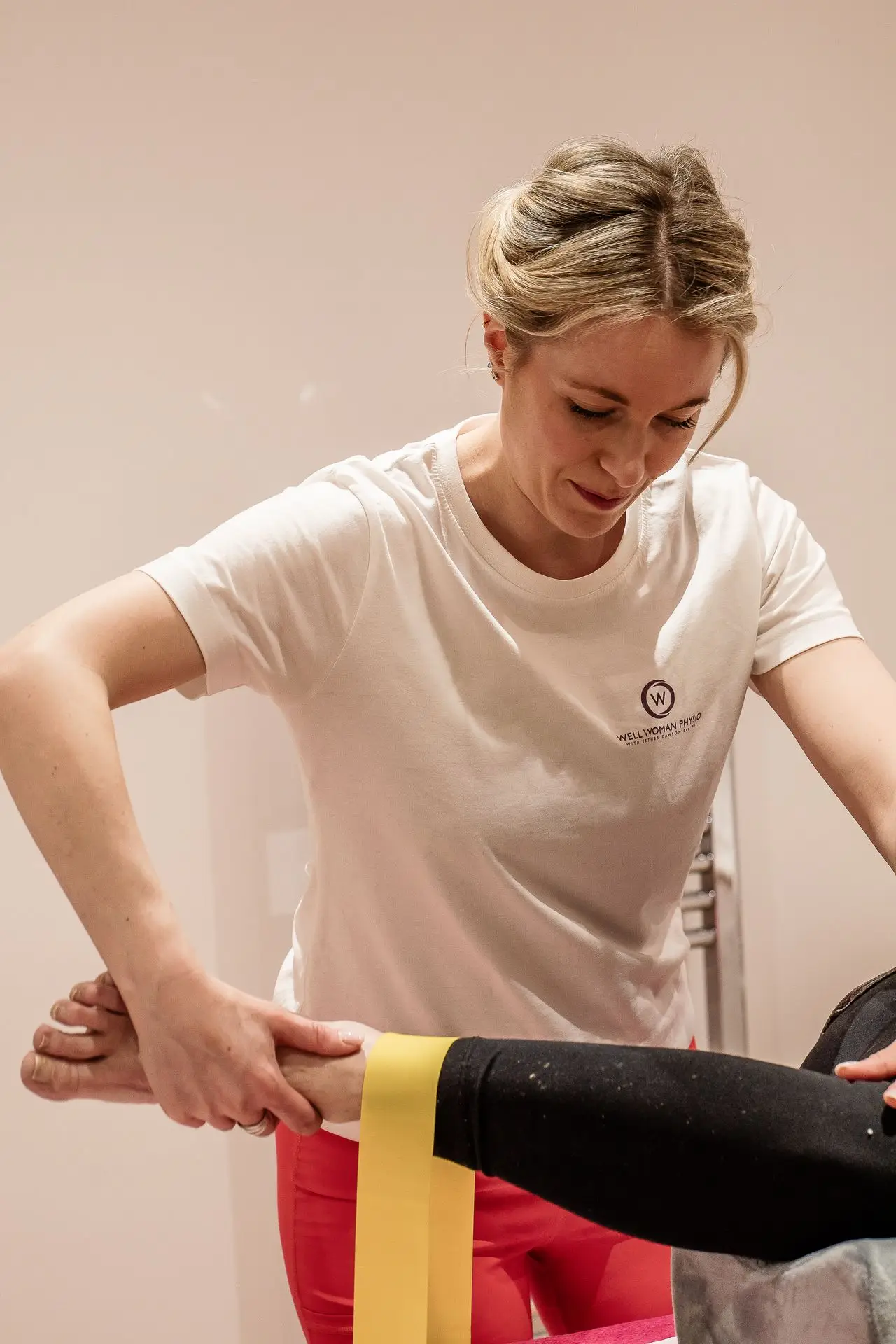



Pregnancy and Postnatal Physiotherapy
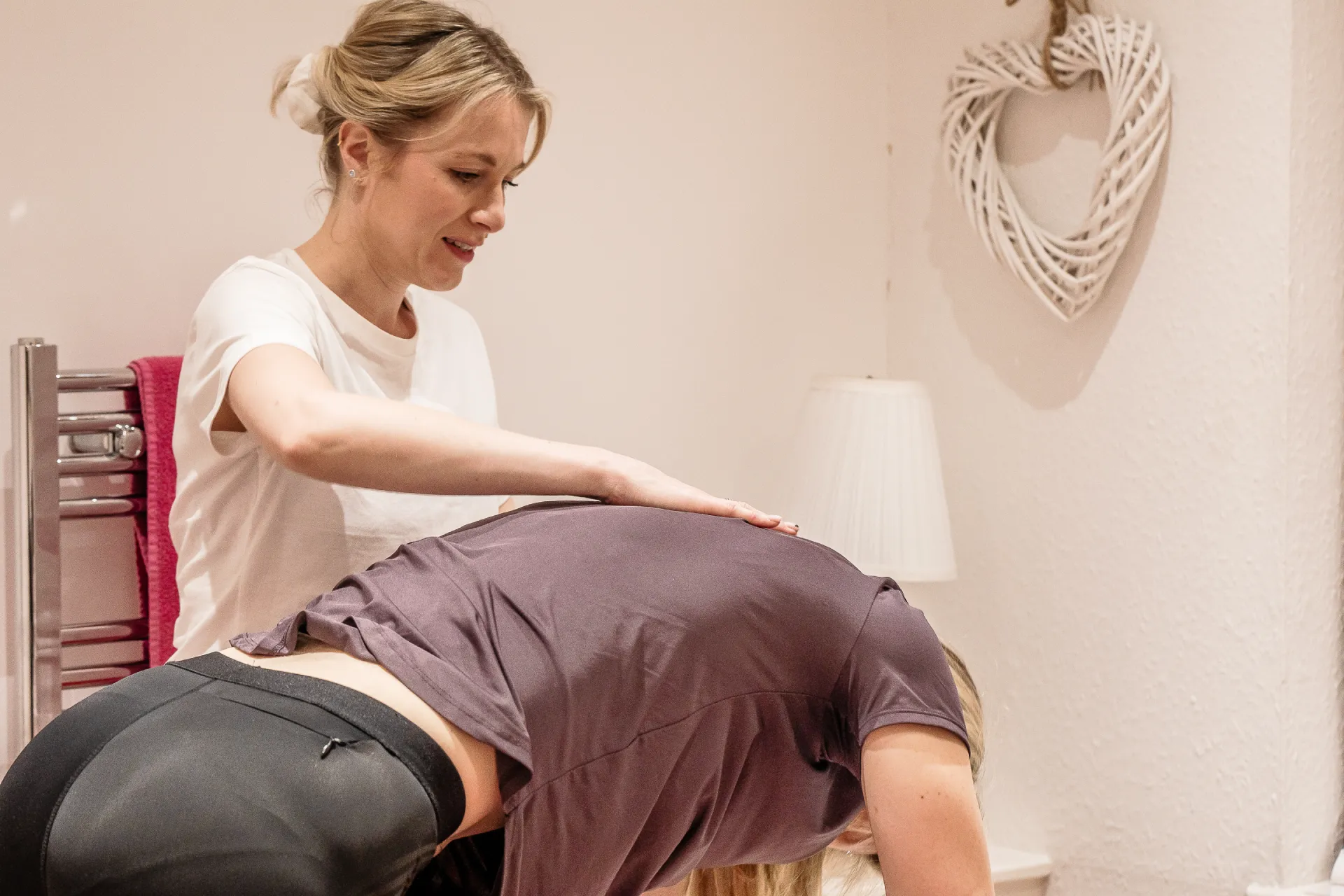
Pregnancy and the postnatal period bring rapid, significant change to the pelvis, spine, abdominal wall and pelvic floor — whether birth was vaginal or caesarean. Specialist physiotherapy through these stages addresses pain, protects long-term function, and shortens the return to full activity.
Understanding What Changes and Why Hormones, biomechanical load and connective-tissue changes affect every stage from early pregnancy to full postnatal recovery. Pelvic girdle pain, back pain, symphysis discomfort, diastasis of the abdominal wall, and postnatal pelvic floor changes are common — and all respond to targeted, phase-appropriate rehabilitation.
Practical Steps Across Pregnancy and Postnatal
- Antenatal Care: Assessment and management for pelvic girdle pain, back pain, and biomechanical adjustments through each trimester.
- Birth Preparation: Pelvic floor readiness, breathing and pushing strategies, and practical positions for labour.
- Early Postnatal Recovery: Gentle restorative breathing, pelvic floor reconnection, scar care after caesarean, and posture support through the early weeks.
- Return to Activity and Sport: Structured return-to-exercise from around 12 weeks postnatal, with return-to-run assessment to reduce leakage and heaviness risk.
When to Seek Specialist Support Any pain, heaviness, leakage or pelvic symptom at any stage of pregnancy or postnatal recovery is worth an assessment — you do not need to wait. A comprehensive postnatal pelvic health assessment around 12 weeks is recommended for every woman, whether or not symptoms are present.
Specialist physiotherapy through pregnancy and postnatal recovery is a proactive investment in long-term function. Book a Pelvic Health Assessment today for a plan tailored to your stage.