


Back pain that keeps returning? A stiff, painful neck? Pain travelling down your leg that makes sitting, sleeping or walking uncomfortable?
These symptoms can leave you wondering what is wrong—and whether moving will make things worse. Physiotherapy starts with understanding your symptoms, how they affect your life and what matters most to you.
At Well Woman Physio in Sicklinghall, near Wetherby and Harrogate, I combine specialist musculoskeletal experience with a practical, individual approach to assessment and rehabilitation.
What happens at a physiotherapy assessment?
There is more to an assessment than finding where it hurts.
We’ll discuss when your symptoms started, what changes them, your medical history and how they affect sleep, work, exercise and everyday activities.
Depending on your symptoms, I may assess your movement, strength, sensation and reflexes. We’ll also discuss any changes that could mean you need medical assessment or further investigation.
The aim is to help you understand what may be contributing and agree a sensible plan together.
Is pain travelling down my leg always sciatica?
Sciatica describes symptoms caused by irritation or compression of the sciatic nerve. It can involve pain travelling through the buttock and leg, sometimes with tingling, numbness or weakness.
However, not all leg pain is sciatica. An assessment helps distinguish between possible causes and identify the most appropriate next steps.
Do I need a scan?
A scan is not routinely needed for lower back pain or sciatica. NICE recommends considering imaging in specialist settings when the result is likely to change management.
Assessment comes first. If your symptoms suggest that further investigation is needed, I’ll explain why and discuss the appropriate route through your GP or specialist services.
How can physiotherapy help?
Your treatment plan will reflect your symptoms, starting point and goals. It may include:
- Clear explanations and advice to help you manage symptoms.
- Adjustments to activities that currently feel difficult.
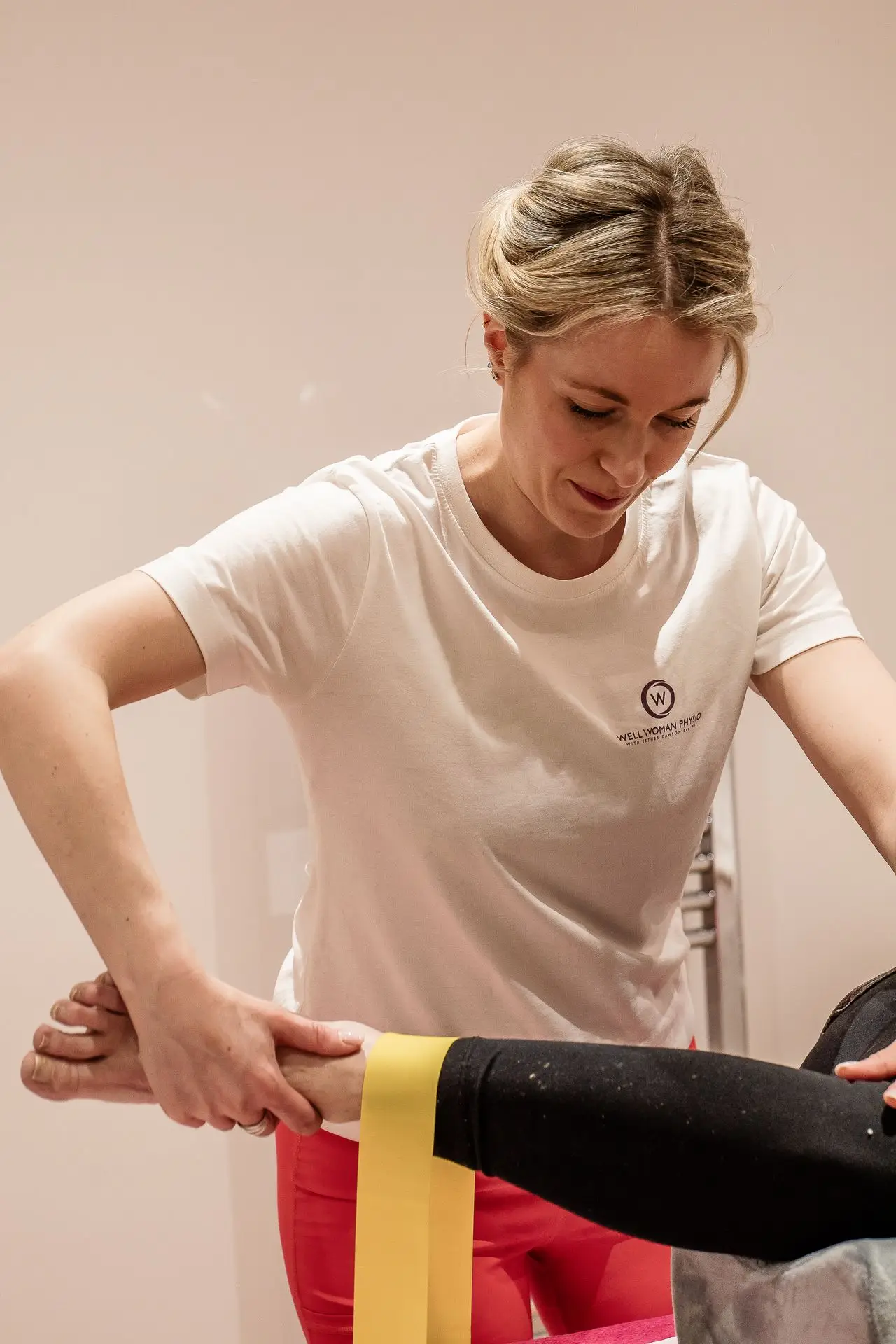
- Gradually building movement, strength and exercise tolerance.
- Support with returning to work, running, lifting or other activities.
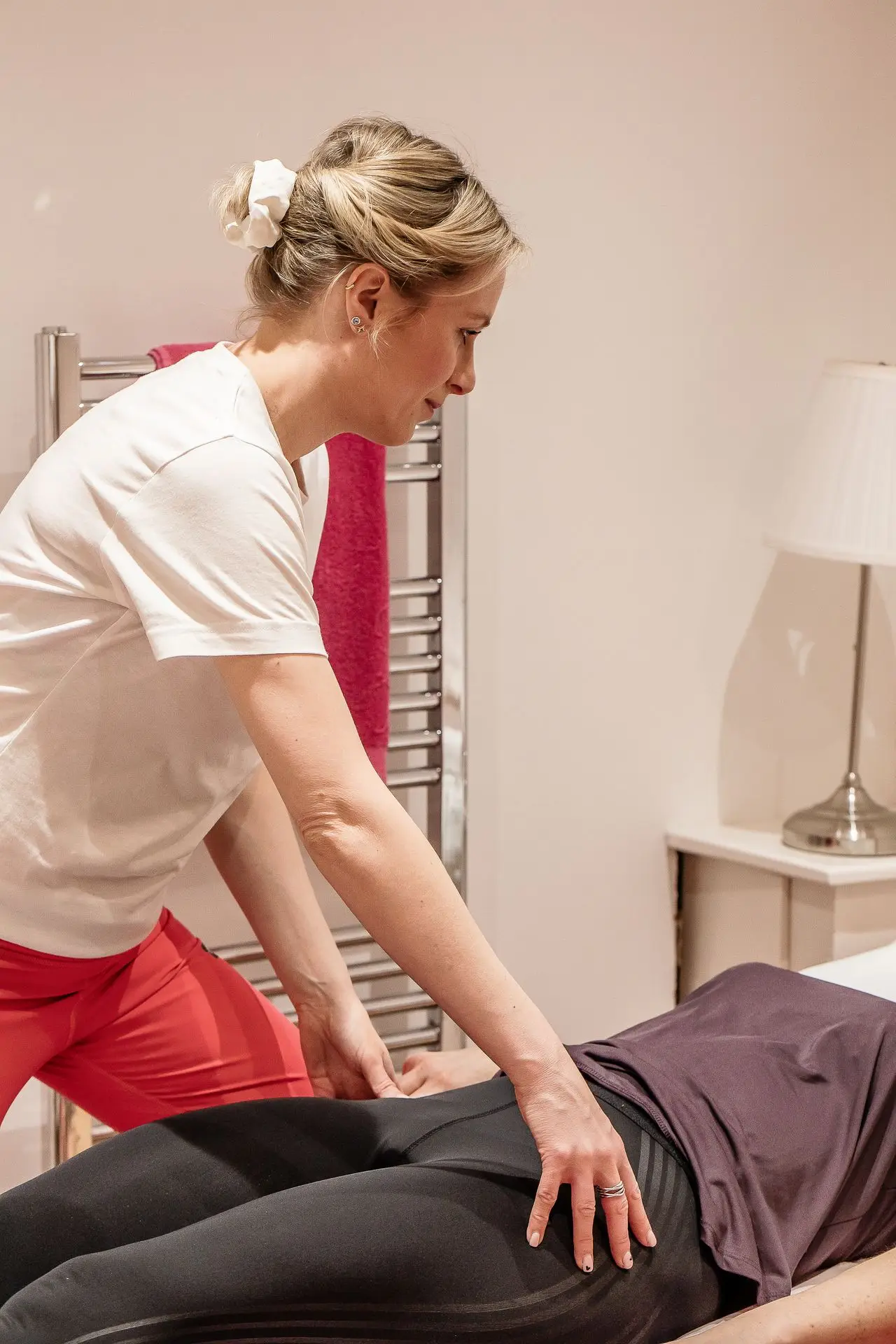
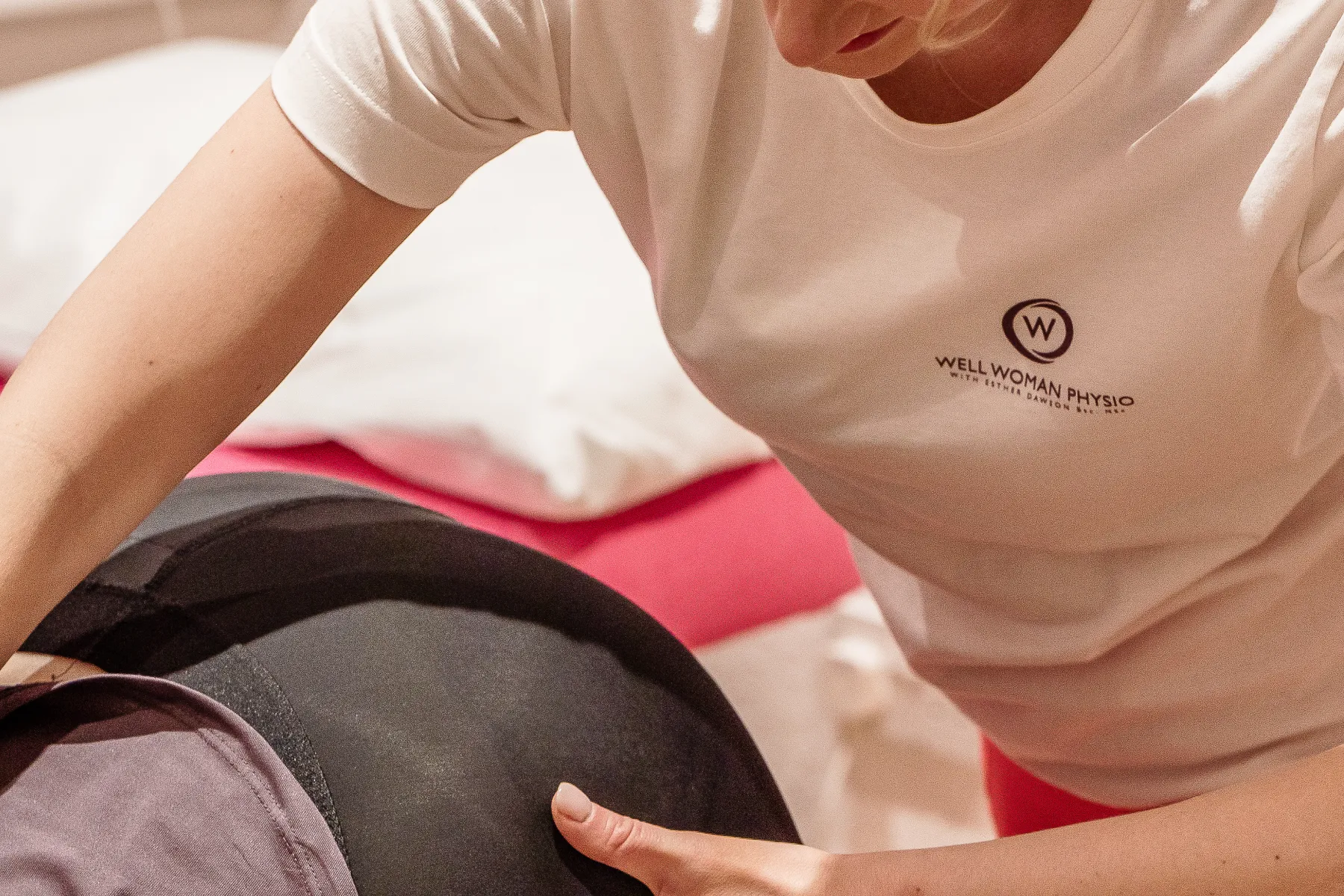
- Hands-on treatment where appropriate, alongside an active rehabilitation plan.
We’ll review your response and adapt the plan as you progress.
Should I keep moving?
For many people with back pain or sciatica, staying active and gradually returning to normal activities is helpful. Long periods of bed rest are generally discouraged.
That doesn’t mean forcing yourself through everything. We can find a manageable starting point and adjust the type, amount or frequency of activity to suit you.
When should I seek urgent help?
With back pain or sciatica, seek emergency assessment at A&E if you develop new difficulty passing urine, loss of bladder or bowel control, numbness around your genitals or bottom, or severe or worsening weakness or numbness in both legs. Do not wait for a routine physiotherapy appointment.
Back pain with fever, feeling generally unwell, or severe pain that starts suddenly or worsens quickly needs urgent advice from your GP or NHS 111. The MACP have excellent patient-friendly information if you are unsure.
Getting back to what matters to you
Whether your goal is comfortable dog walks, working without constant discomfort or returning to the gym, your rehabilitation should connect with your everyday life.
Book a musculoskeletal physiotherapy assessment at Well Woman Physio to discuss your symptoms and create a plan that fits you.
Most spinal and neurological symptoms improve with the right assessment and structured rehab. Book a Musculoskeletal Assessment today for a clear diagnosis and personalised plan.