

What causes plantar fasciitis?
Plantar fasciitis can make those first steps out of bed surprisingly painful. You might find yourself limping towards the kettle, noticing heel pain after sitting, or struggling with walks that used to feel easy.
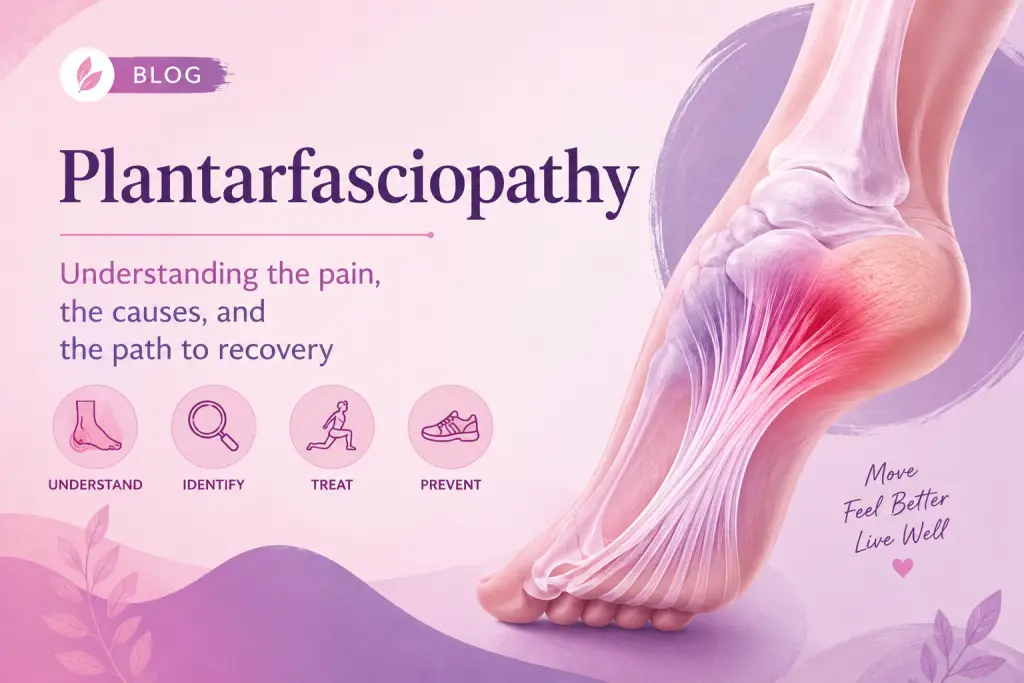
Often called plantar fasciopathy, it is a common cause of pain underneath the heel and can affect women of different ages and activity levels.
Understanding the problem—and finding the right balance of activity, symptom relief and rehabilitation—can help you move forward.
What is plantar fasciitis?
The plantar fascia is a strong band of connective tissue running along the sole of your foot, from your heel towards your toes. It helps support the arch and contributes to the way your foot manages walking and running.
“Plantar fasciitis” is the familiar name, but you may also hear “plantar fasciopathy”. This broader term reflects that persistent symptoms are not necessarily explained by inflammation alone.
A painful plantar fascia does not automatically mean your foot is permanently damaged.
What does it feel like?
Typical symptoms include:
- Pain underneath the heel, sometimes extending into the arch.
- Pain with your first steps in the morning or after sitting.
- Symptoms that ease initially as you move, then increase with longer periods of standing or walking.
- Tenderness around the underside of the heel.
However, not all heel pain is plantar fasciitis. Other conditions can cause similar symptoms, so assessment matters if the picture is unclear or your symptoms are not improving.
What causes plantar fasciitis?
Plantar fasciitis can affect women of different ages and activity levels. You do not need to be a runner—or be going through menopause—to develop it.
There is not always one clear cause. Symptoms may follow an increase in running, longer walks, more time standing at work or a return to exercise after a quieter period. Changes in footwear may also contribute.
Your assessment should consider your activities, foot and ankle function, previous injuries and wider health. Having flat feet does not automatically explain your pain.
The useful question is: what may be contributing for you, and what can we change?
Can menopause contribute to plantar fasciitis?
Some women notice new foot or heel pain during perimenopause or after menopause. However, symptoms starting around menopause do not establish that hormonal changes caused the problem.
Changes in sleep, recovery, activity and muscle strength may also be relevant. Heel pain deserves an individual assessment rather than being dismissed as “just menopause”.
The practical approach remains to manage aggravating activities, choose comfortable footwear and gradually build strength and activity tolerance.
If you are also experiencing troublesome menopause symptoms, discuss these with your GP. Decisions about HRT should consider your overall symptoms, medical history and preferences, rather than treating it as a specific remedy for heel pain.
Should I rest or keep walking?
Temporarily reducing activities that aggravate your heel can help. Complete rest is not always necessary, but repeatedly pushing through worsening symptoms is unlikely to be a useful strategy.
You could try:
- Shorter walks rather than one long outing.
- Breaks from prolonged standing.
- Reducing running distance or hills for a while.
- Comfortable alternatives, such as cycling or swimming, if tolerated.
Notice how your heel responds during activity, afterwards and the following morning. This helps guide how much is manageable and when to progress.
Which exercises can help?
Rehabilitation may include stretching the plantar fascia and calf, alongside strengthening the muscles of the foot and ankle.
Calf raises can be part of the plan, but you do not need to begin with heavy weights or difficult single-leg exercises. Your starting point should reflect your strength and how sensitive your heel currently feels.
We can adjust the exercise, resistance and amount you do, then build gradually. If an exercise repeatedly leaves you significantly worse, it needs reviewing.
There is no single exercise programme that suits everyone.
Can footwear, taping or insoles help?
Comfortable shoes with suitable cushioning and support may make standing and walking easier. If barefoot walking on hard floors aggravates your symptoms, supportive indoor footwear may help.
Taping can provide short-term relief for some people. Insoles may also be useful as part of a broader treatment plan, but expensive custom orthotics are not automatically necessary.
The aim is to make activity more manageable while addressing your rehabilitation needs.
What if it isn’t improving?
Recovery can take time, and progress is not always a straight line. If symptoms persist, we should review the diagnosis, your activity demands and how the treatment plan is working.
Some people may benefit from additional options, such as shockwave therapy or podiatry input. These should follow an individual assessment and discussion of the likely benefits, limitations and costs.
When should I seek medical advice?
Seek urgent advice after an injury if you cannot bear weight, have severe pain or swelling, or heard a snap or pop.
Arrange medical assessment for worsening symptoms, tingling or loss of sensation. If you have diabetes and develop foot pain, seek advice promptly.
Persistent heel pain that is limiting everyday activities also deserves assessment rather than being dismissed as something you must put up with.
How can physiotherapy help?
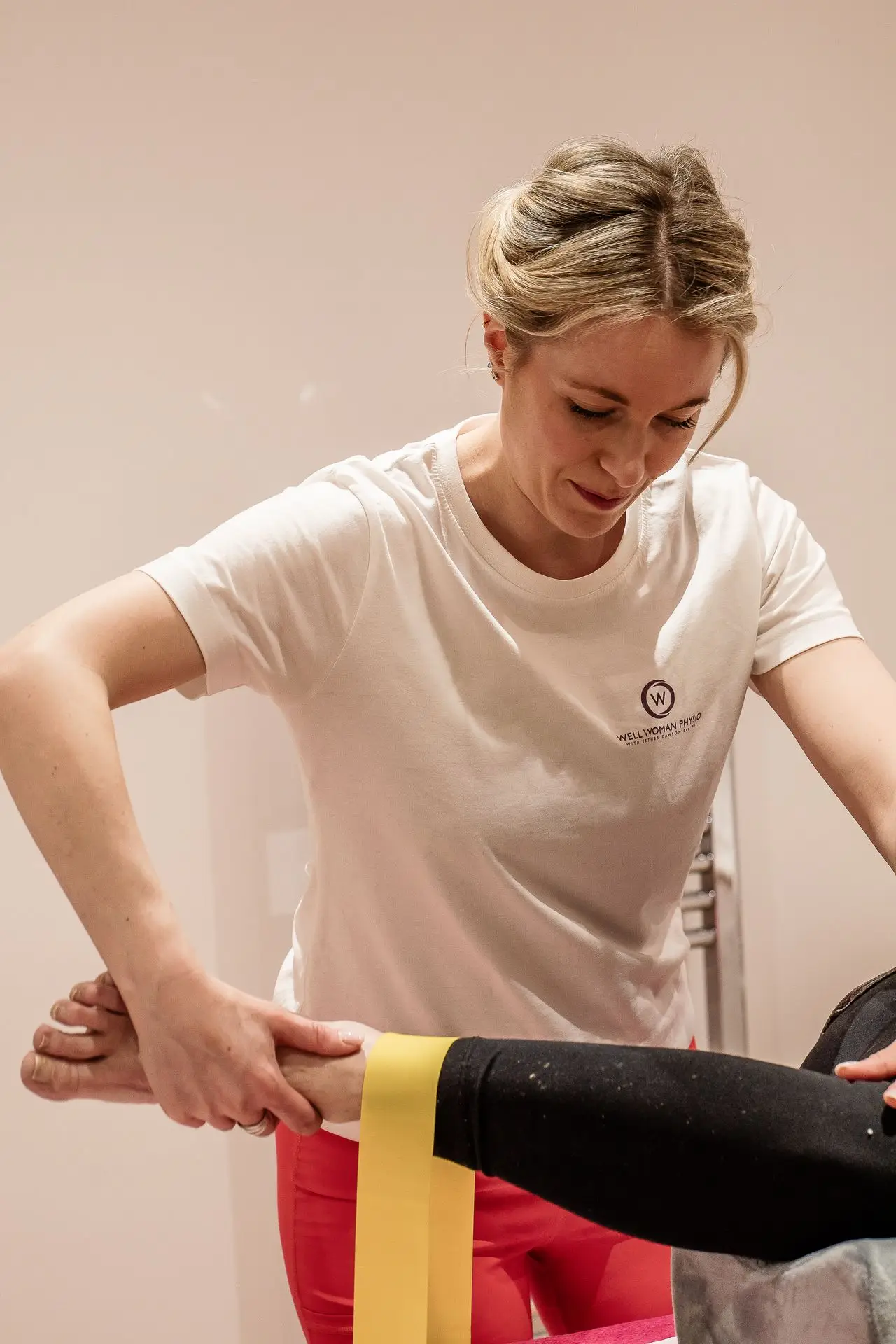
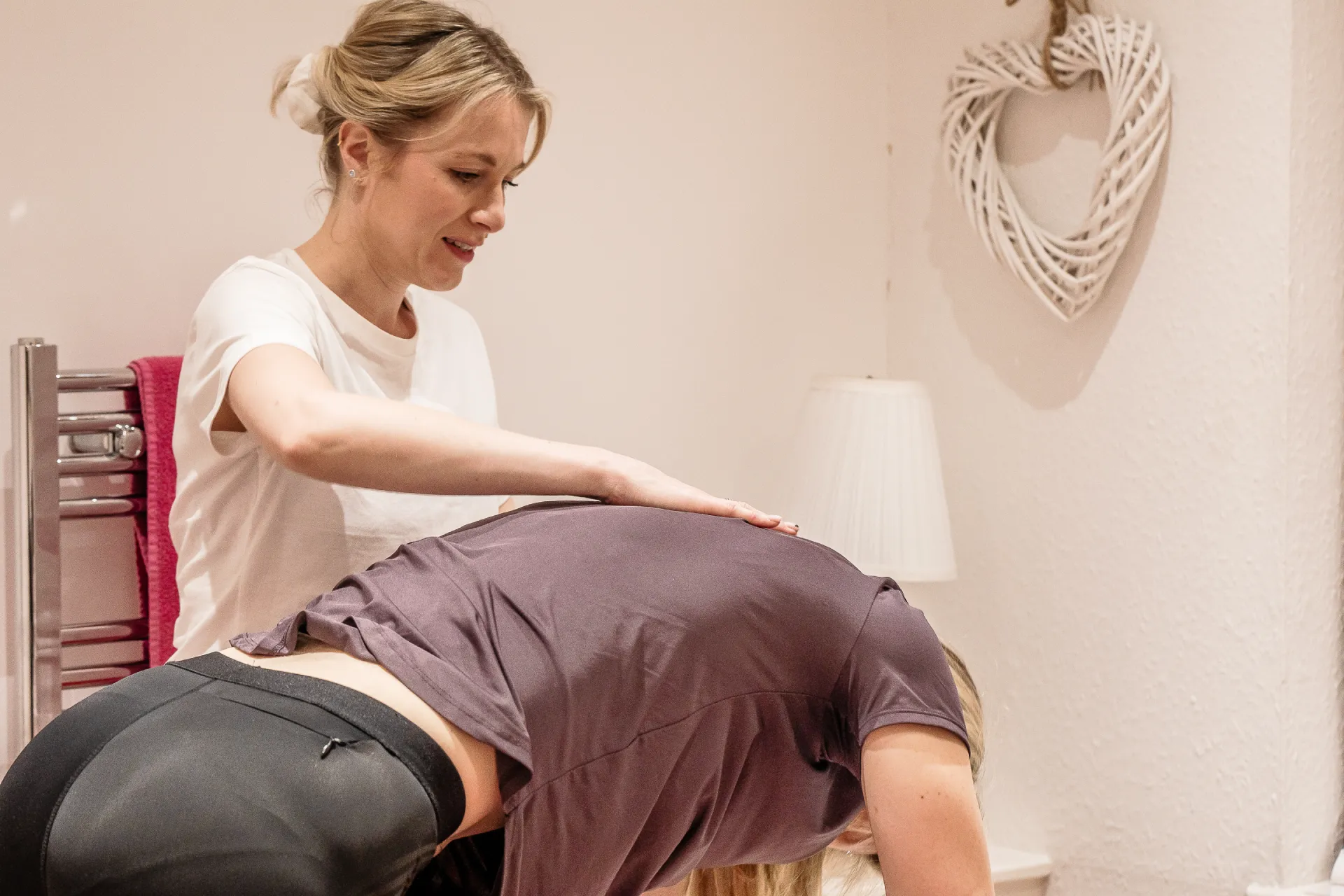
At Well Woman Physio in Sicklinghall, near Wetherby and Harrogate, we’ll explore your symptoms, assess relevant movement and strength, and agree a plan around your goals.
Whether you want comfortable first steps, longer dog walks or a return to running, your rehabilitation should connect with what matters to you.
Book a musculoskeletal physiotherapy assessment for individual help with plantar fasciitis and heel pain.
Book a Musculoskeletal Assessment today for a diagnosis and structured plan.