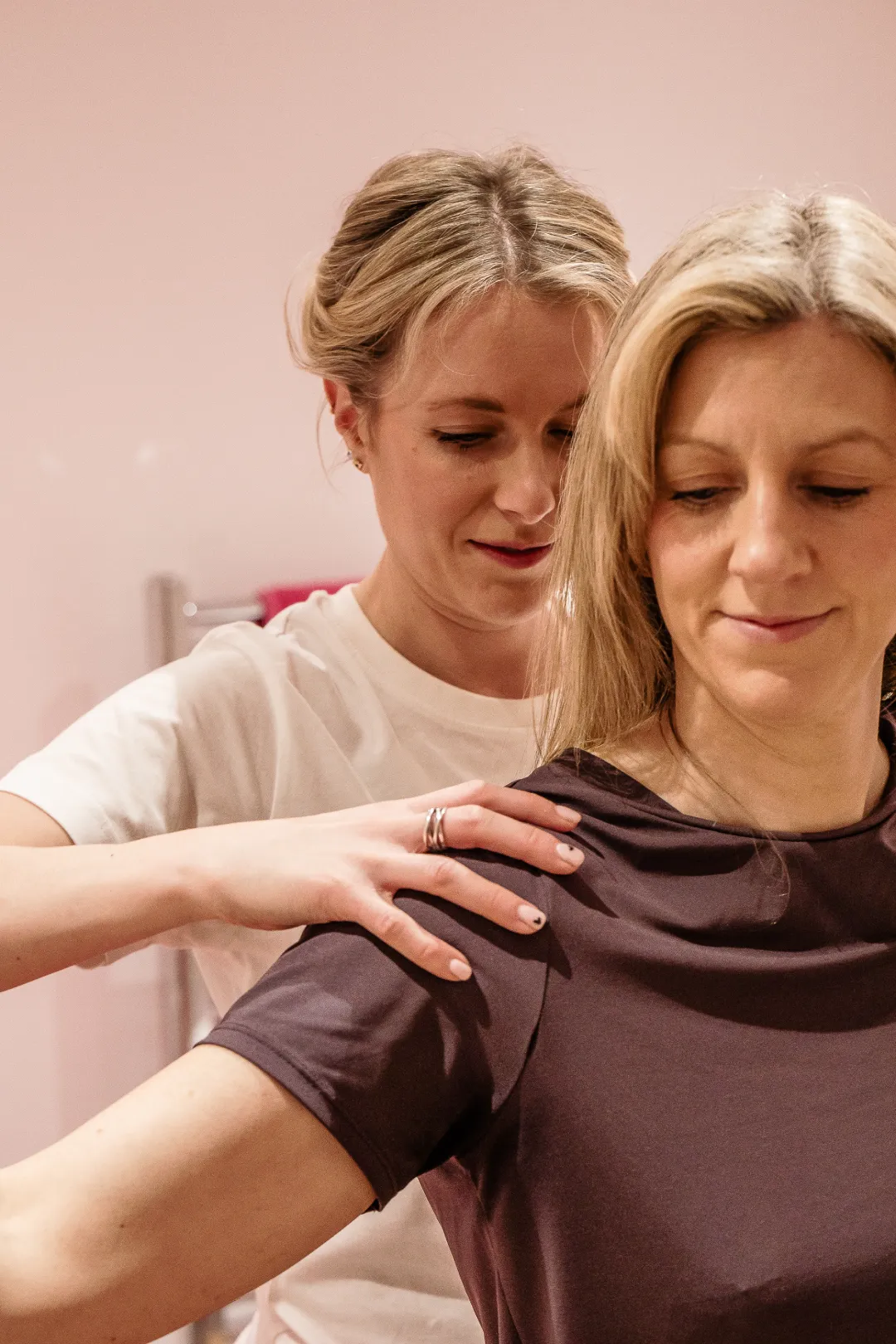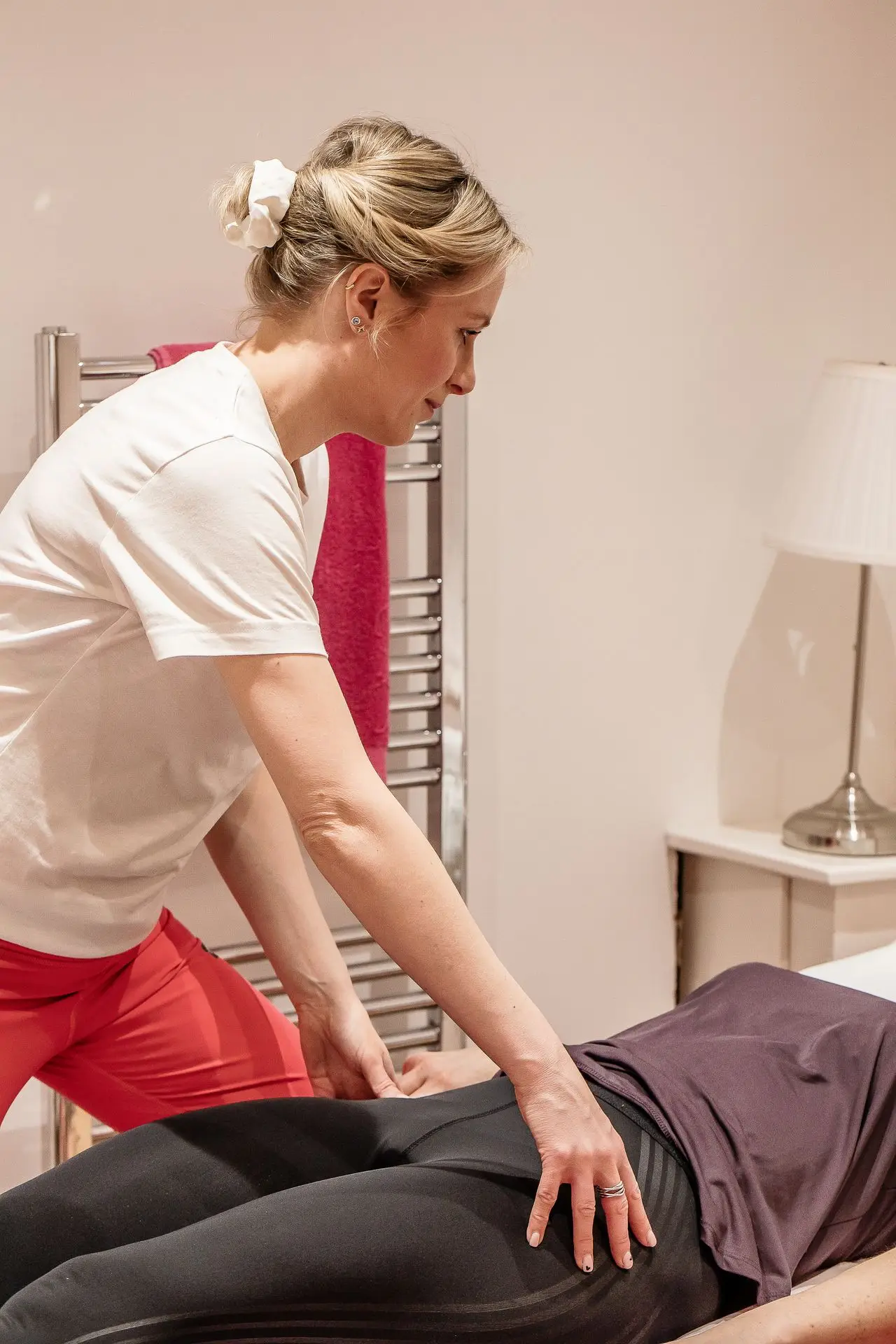


Menopause and Midlife Physiotherapy
Aching joints, tendon flare-ups, disproportionate strength loss, morning stiffness and slower recovery from ordinary activity are not “just getting older.” They are among the most common and most under-recognised features of perimenopause and menopause — and they respond well to targeted, menopause-informed physiotherapy.
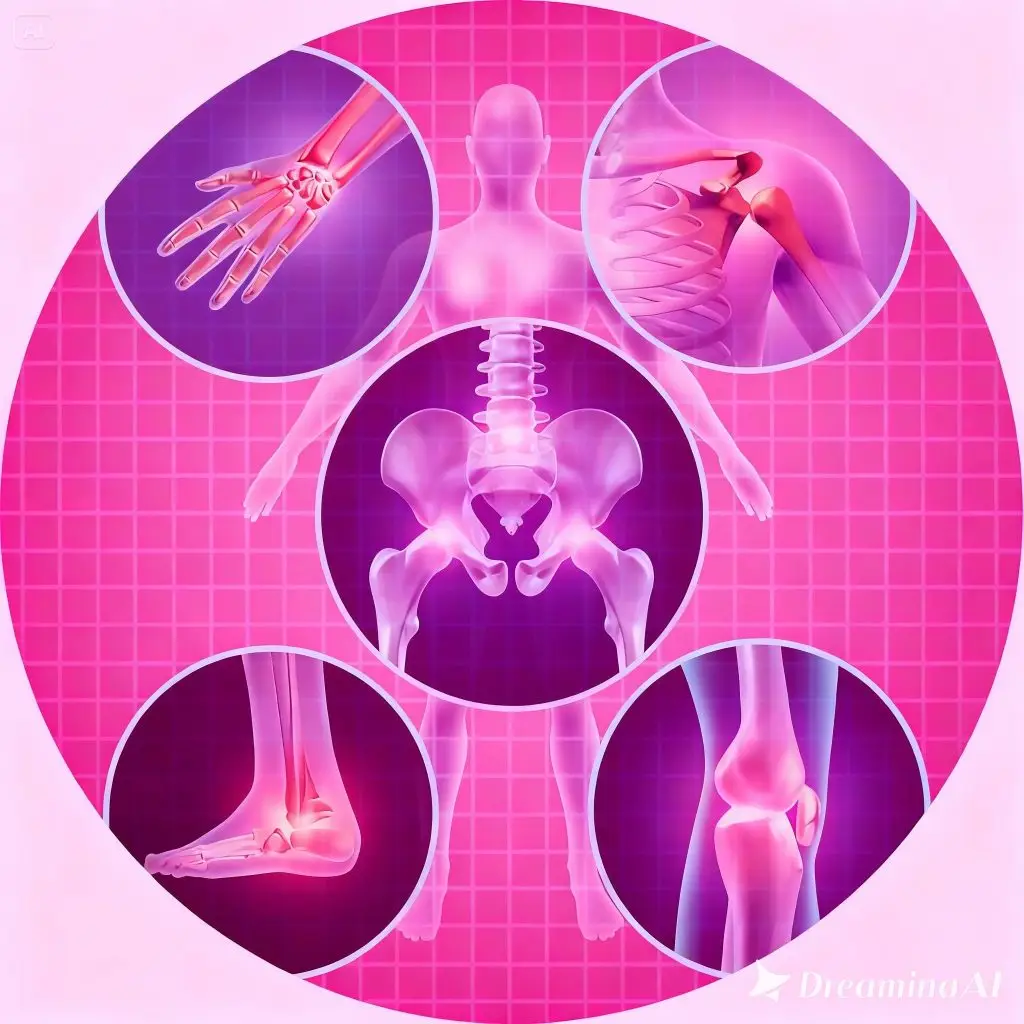
Understanding the Tissue Changes of Menopause Oestrogen influences cartilage, tendons, muscle mass, bone density and pain sensitivity. As levels fall, tendon collagen turnover shifts (raising tendinopathy risk), muscle mass declines faster without resistance training, joint symptoms become more common, and pain sensitivity can amplify otherwise minor issues. These are physiological changes with treatable mechanisms — not a personal failing.
Practical Steps for Midlife Musculoskeletal Health
- Progressive Resistance Training: The single strongest evidence-based intervention for midlife musculoskeletal health and long-term bone density.
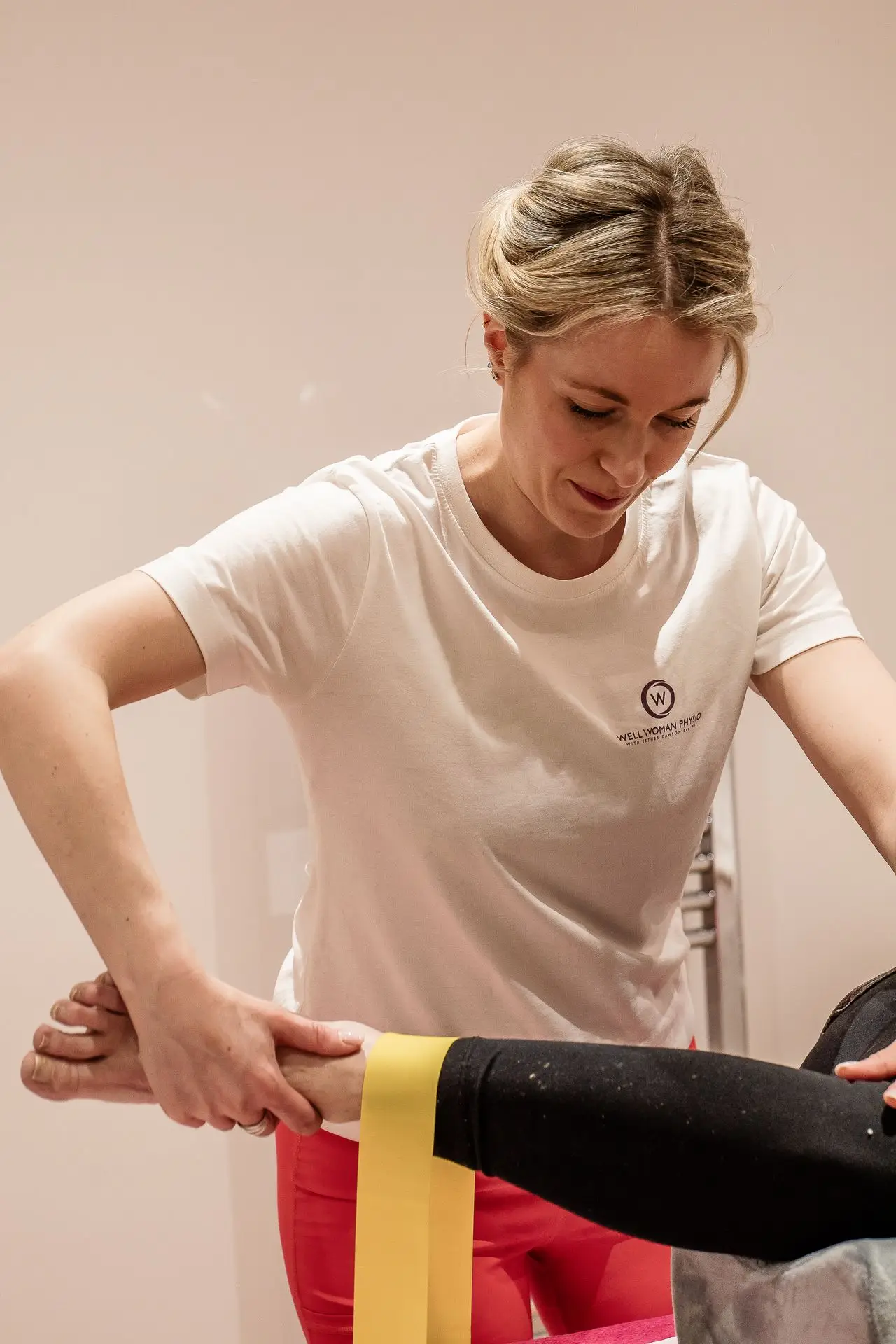
- Target Specific Symptoms: Tendinopathies, joint pain and postural issues each need their own rehab plan, not generic advice.
- Discuss HRT With Your GP: Emerging evidence supports musculoskeletal benefits for many women — a personal decision worth informed conversation.
- Support the Foundations: Sleep, adequate protein, stress management and daily movement make everything else work.
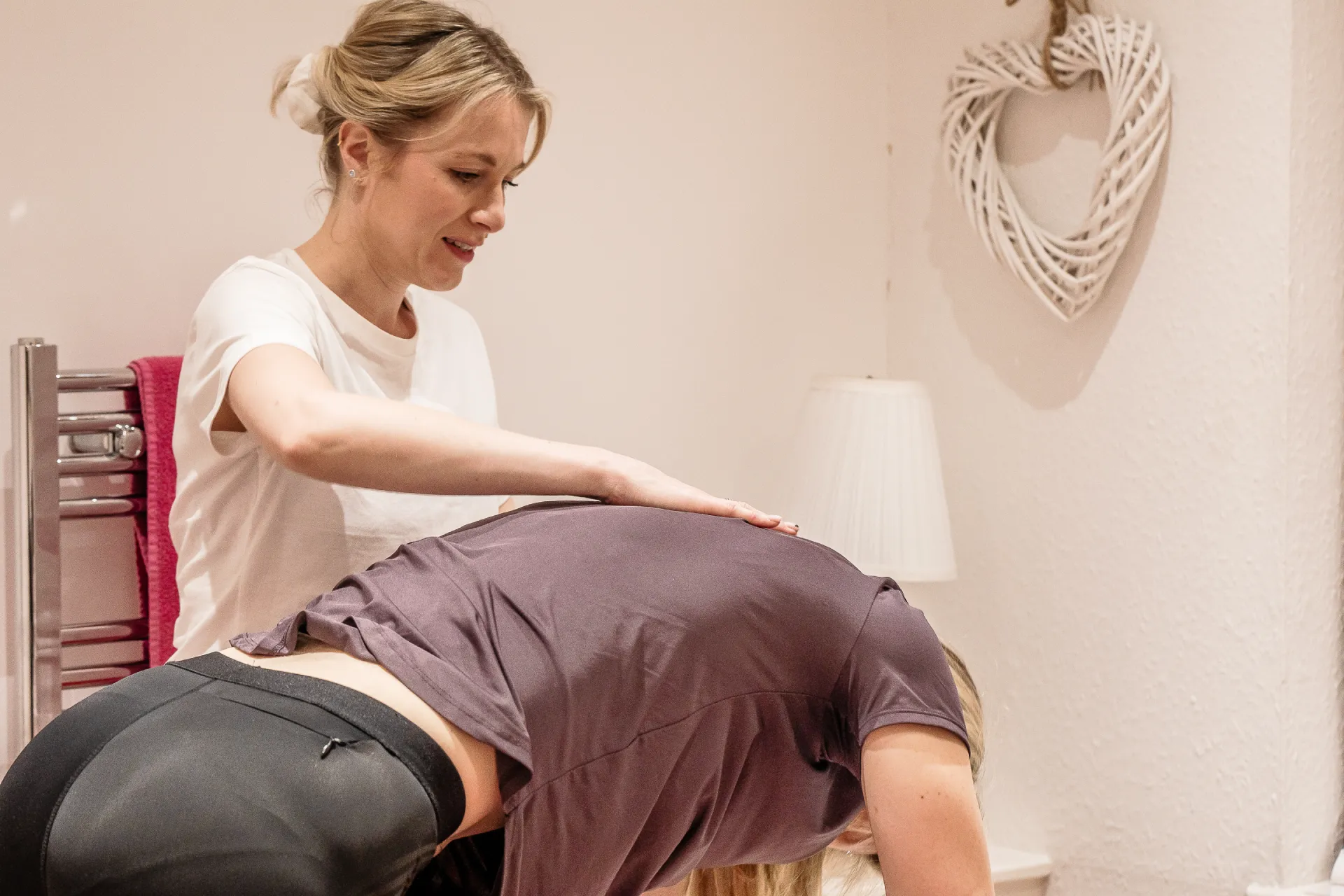
When to Seek Specialist Support If joint, tendon or muscle symptoms are limiting your daily activity, exercise or sleep, or have persisted more than a few weeks, an assessment gives you a clear diagnosis and a tailored plan rather than guesswork. Combining physiotherapy with menopause-informed care shortens recovery.
Midlife can be a stronger decade with the right support. Book a Musculoskeletal Assessment today for a plan built for your body and your stage.