

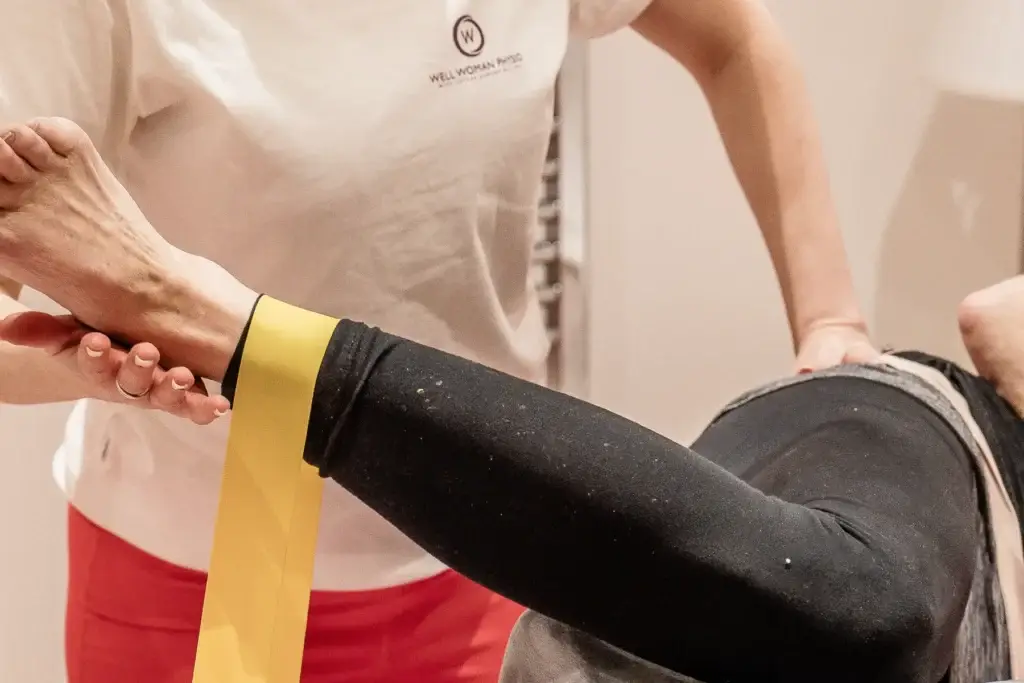
What is Greater Trochanteric Pain Syndrome (GTPS)?
Greater Trochanteric Pain Syndrome (GTPS) is a common cause of outer hip pain, typically felt over the side of the hip and upper thigh.
It is now understood to mainly involve gluteus medius and minimus tendinopathy, rather than simple inflammation of a bursa (“bursitis”), although bursae may also become irritated.
GTPS is one of the most frequent causes of persistent lateral hip pain in women over 40.
Symptoms of GTPS (Outer Hip Pain Signs)
Common symptoms include:
● Pain on the outside of the hip (lateral hip pain)
● Pain when lying on the affected side
● Discomfort when walking or climbing stairs
● Pain when standing on one leg
● Pain that can radiate down the outer thigh
● Flare-ups with running or longer walks
Why is GTPS so common in women?
GTPS disproportionately affects women, particularly in midlife and post-menopause.
Research shows it is most common in women aged 40–65 and is often under-recognised in primary care.
Anatomical and biomechanical factors
Women may have:
● Greater pelvic width
● Increased hip adduction angles during walking/running
● Higher compressive load on the lateral hip tendons
These factors increase stress on the gluteal tendons.
GTPS, menopause and hormone changes
Emerging research suggests a link between menopause, oestrogen decline and tendon health.
How menopause may influence hip pain
During perimenopause and menopause:
● Tendons may have reduced collagen turnover
● Load tolerance may decrease
● Recovery after exercise may slow
● Sensitivity to compressive load may increase
This may partly explain why many women first experience lateral hip pain during menopause.
This does NOT mean menopause directly causes GTPS, but it may change how tendons respond to load.
Is GTPS an inflammatory condition or a tendon problem?
Despite the term “bursitis” still being used, most modern evidence classifies GTPS as a:
Gluteal tendinopathy and load-related tendon disorder
What this means clinically
● It is not primarily an inflammatory condition
● Long-term pain is more related to tendon overload and compression
● Anti-inflammatory treatments alone are rarely sufficient long-term
This is why rehab and load management are essential.
Why your hip pain is worse at night or when lying on your side
A key feature of GTPS is pain at night, especially when lying on the affected side.
This is due to:
● Sustained compression of the gluteal tendons over the greater trochanter
● Reduced tissue tolerance in sustained positions
● Hip adduction increasing tendon compression
This is one of the most common reasons people search:
● “why does my hip hurt when I sleep on my side”
What makes GTPS worse? (Aggravating factors)
Common triggers include:
● Crossing legs when sitting
● Standing with hip “dropped” into one side
● Running with poor hip control
● Long walks without conditioning
● Side-lying compression during sleep
Evidence-based treatment for GTPS
Best practice management focuses on load modification and progressive rehabilitation.
1. Load management
● Reducing compressive positions
● Modifying aggravating activities temporarily
2. Progressive strengthening
● Gluteus medius and minimus loading
● Gradual increase in tendon capacity
● Functional strengthening (stairs, walking, running progression)
3. Movement pattern retraining
● Reducing hip adduction during gait
● Improving single-leg control
4. Avoiding excessive stretching
Overstretching the lateral hip may increase compression and irritate symptoms.
GTPS research and clinical experts
Clinically influential research in this area includes work by:
● Alison Grimaldi (hip biomechanics and gluteal tendinopathy loading principles)
● Jill Cook and colleagues (tendon pathology and load management frameworks)
These researchers emphasise:
● Compression + load as a key driver of symptoms
● Progressive loading as the cornerstone of recovery
● Avoiding over-reliance on passive treatments
When to seek help for hip pain…
You should seek assessment if:
● Pain persists beyond 2–3 weeks
● Hip pain affects sleep
● Walking or exercise is becoming limited
● Symptoms are recurring or worsening
Early intervention often improves outcomes and reduces chronicity.
Summary: Key takeaways about GTPS
● GTPS is a common cause of outer hip pain in women
● It is primarily a gluteal tendon load problem, not just inflammation
● It is strongly associated with midlife and menopause
● Compression and load management are central to recovery
● Evidence-based physiotherapy is the first-line treatment