
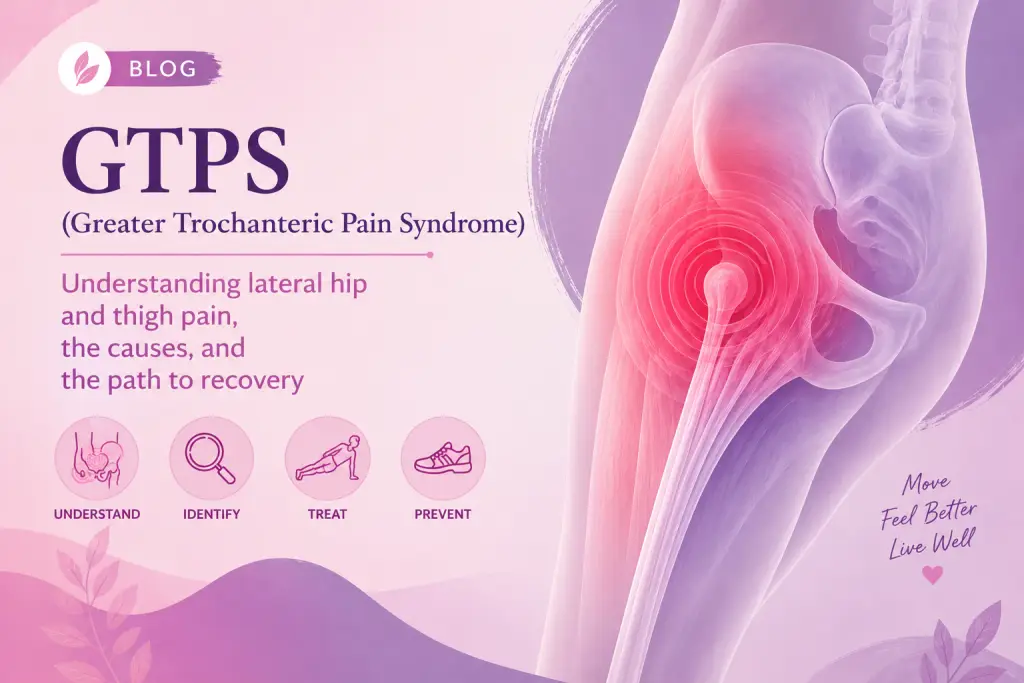
Understanding Gluteal Tendinopathy in Menopause
Pain on the outside of your hip that flares at night, worsens after sitting, and hurts on stairs — during perimenopause or menopause — is very often gluteal tendinopathy. It is common, under-diagnosed, and responds well to a specific type of rehab that many women have never been offered.
Understanding the Menopause Link Falling oestrogen alters tendon collagen quality and repair capacity. Combined with reduced daily hip loading — long sedentary periods, less impact activity — the gluteal tendons become vulnerable to overload from ordinary tasks. Tendinopathy is a load-management problem, not an inflammation problem, and it does not respond to rest alone.
Practical Steps for Recovery
- Reduce Compression: A pillow between the knees at night, avoid crossed legs and deep hip flexion under load while symptoms settle.
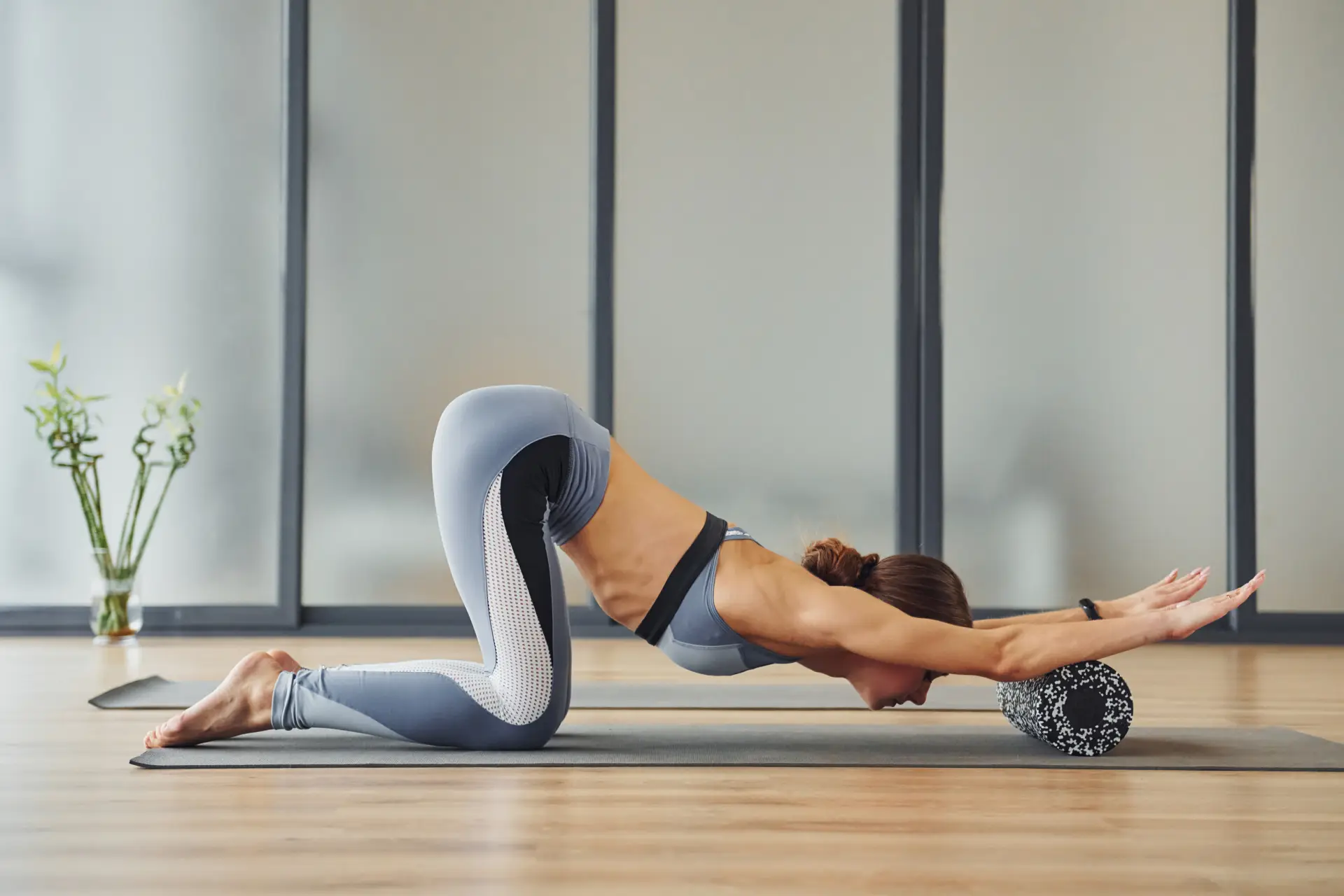
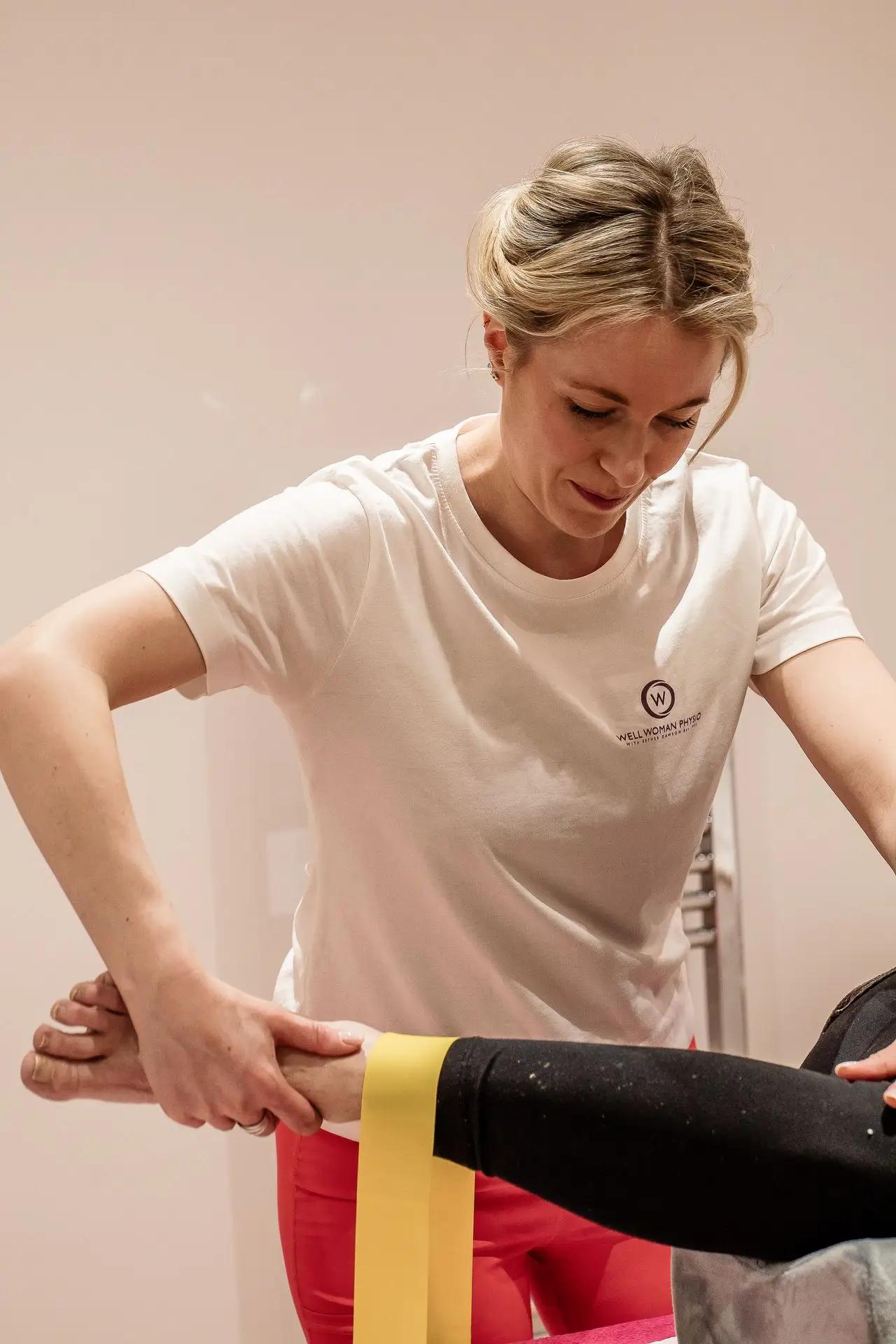
- Load the Tendon Progressively: Isometrics, then heavy slow resistance, then functional loading across 8–12+ weeks.
- Keep Moving: Modify — do not stop. Complete rest deconditions the tendon further.
- Support Tissue Health: Discuss HRT with your GP, prioritise protein and sleep, and build overall resistance training.
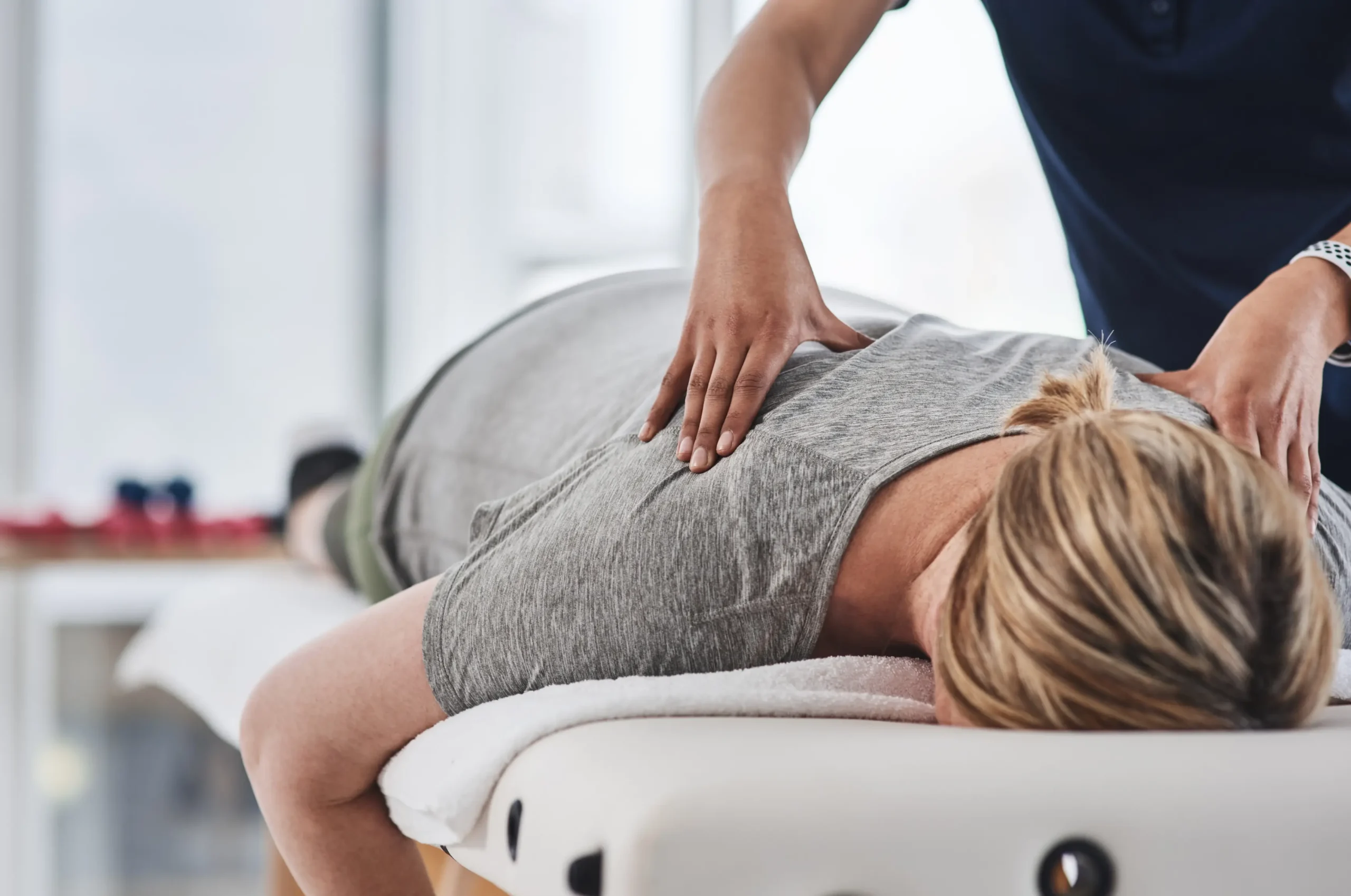
When to Seek Specialist Support Tendinopathy improves in weeks-to-months, not days. If outer hip pain has been present more than a few weeks, disrupts your sleep, or limits walking or stairs, a specialist assessment identifies the exact loading stage and builds a structured plan.
The right load, at the right stage, changes outcomes. Book a Musculoskeletal Assessment today for a personalised loading plan.