



Understanding Sciatica: Causes, Care and When to Seek Help
Sciatica is one of the most common reasons people seek help for back and leg pain. It can feel painful and worrying, particularly when symptoms travel down the leg. The reassuring reality is that most cases improve with time, movement, and appropriate rehabilitation — surgery is rarely first-line.
Understanding What Sciatica Actually Is Sciatica — more accurately called lumbar radicular pain — occurs when a nerve root in the lower spine becomes irritated or compressed. Common causes include lumbar disc bulges, age-related degenerative changes and lumbar spinal stenosis. Structural changes are common in pain-free people too, which is why imaging must always be interpreted alongside symptoms and clinical examination.
Practical Steps for Recovery
- Stay Active Within Tolerance: Gentle walking, position changes and gradual return to normal activity beat prolonged bed rest.
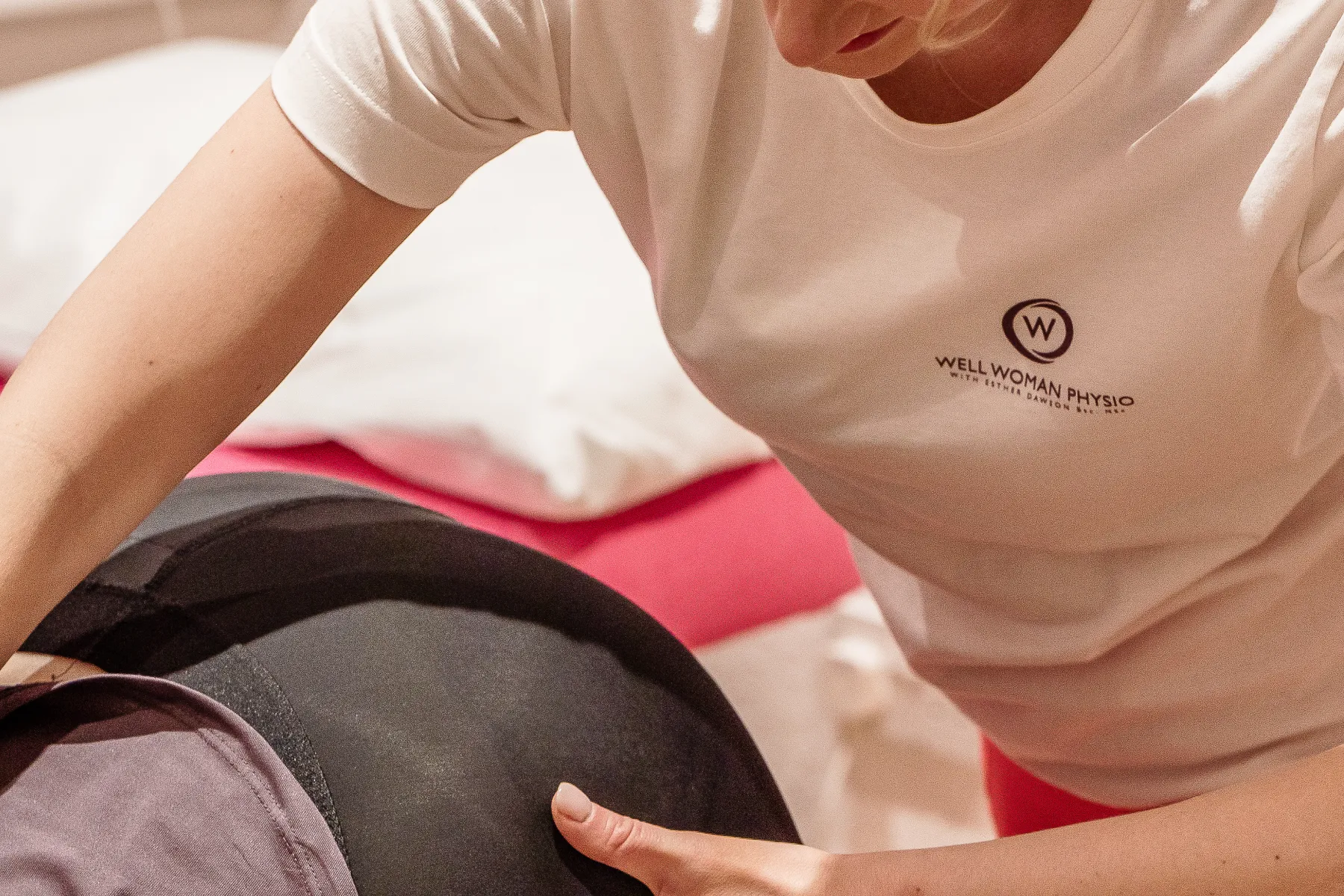
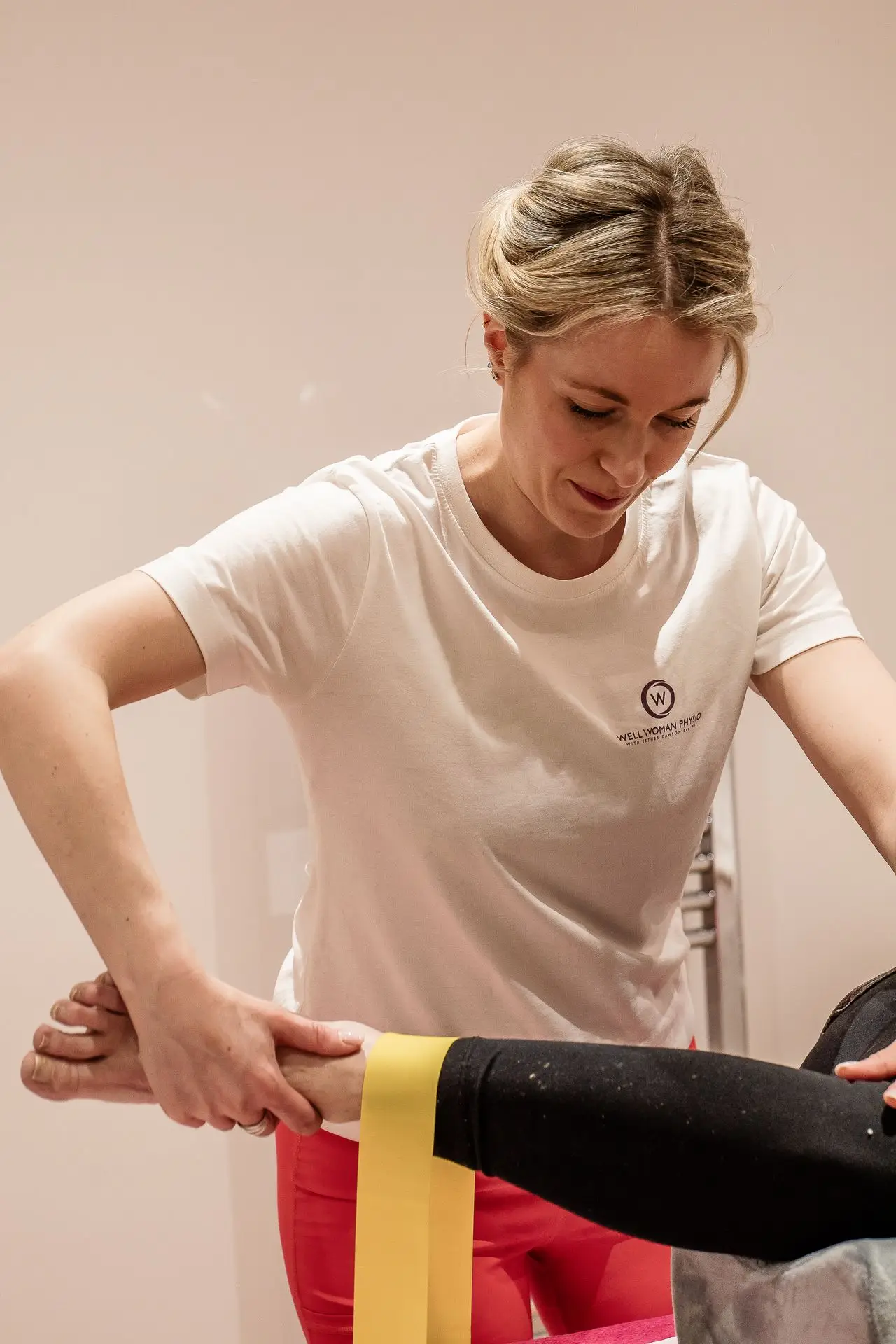
- Get Targeted Rehabilitation: Education, movement guidance, individualised exercise and load management form the core of evidence-based sciatica care.
- Understand Your Imaging (If Any): UK spinal pathways recommend scans only when clinically indicated. MRI findings alone rarely tell the whole story.
- Manage Pain Practically: Simple analgesia, heat, position changes and pacing help most people through the acute phase without needing stronger medication.
When to Seek Specialist Support Urgent medical assessment is needed for loss of bladder or bowel control, saddle numbness, rapidly worsening leg weakness or severe neurological deterioration. Persistent symptoms lasting more than a few weeks — or ones interfering with sleep or daily life — warrant a specialist physiotherapy assessment.
Most sciatica improves with movement and structured rehabilitation, not with rest or scans alone. Book a Musculoskeletal Assessment today for a clear diagnosis and structured plan.