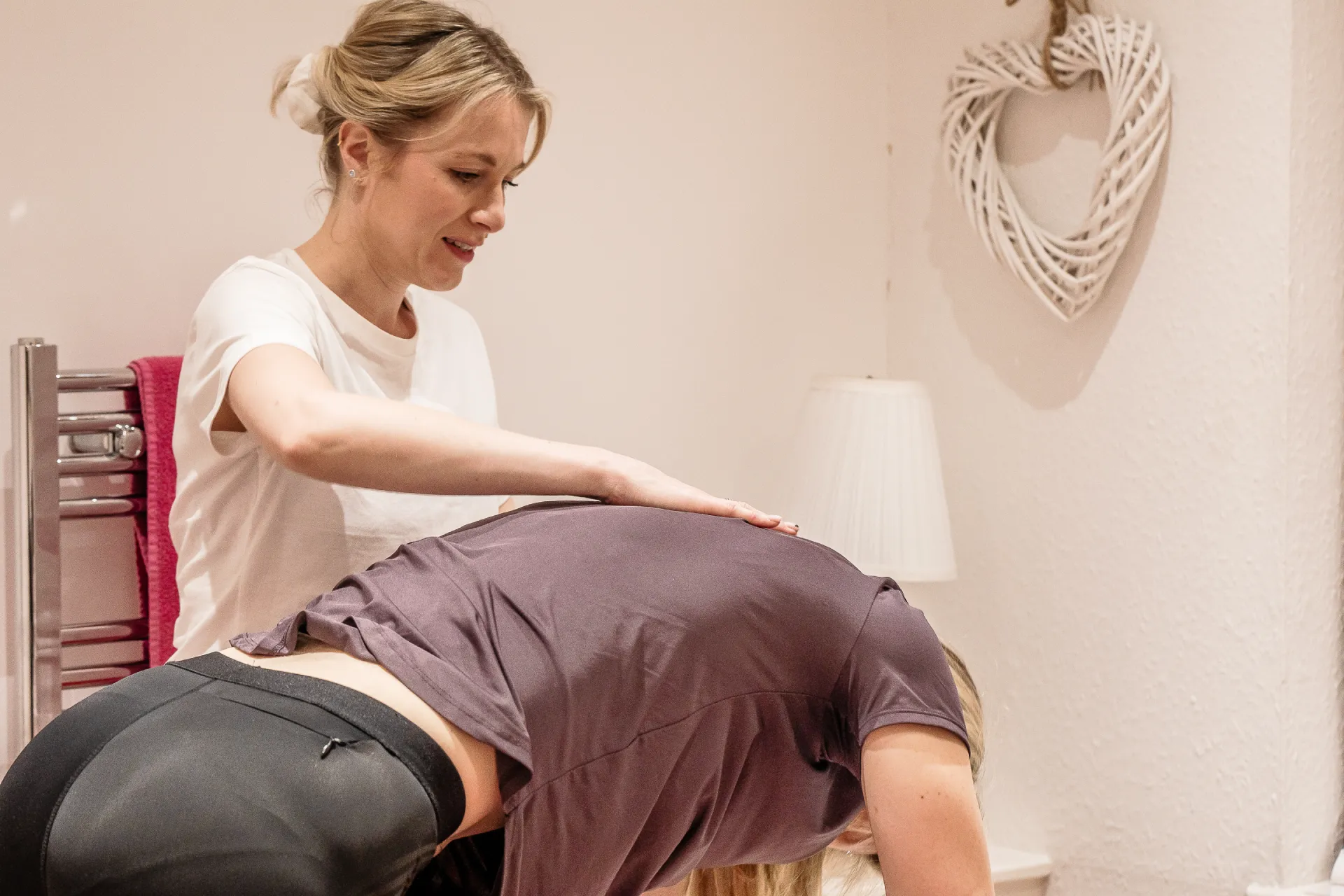




Menopause can affect much more than periods and hot flushes…..
When people think about menopause, hot flushes, sleep and mood often come to mind first. But falling and
fluctuating oestrogen levels can also affect the vulva, vagina, bladder and urethra.
These changes are often grouped under the term genitourinary syndrome of menopause, or GSM.
Symptoms can include vaginal dryness, burning or irritation, discomfort with sex, urinary urgency, recurrent
urinary tract infections and changes in bladder comfort.
Pelvic-floor symptoms may also become more noticeable around midlife. Leakage, prolapse symptoms,
bowel difficulties or pelvic pain can coexist with GSM, but they are not all caused by the same thing.
That distinction matters. If every pelvic symptom is labelled “weak pelvic floor”, treatment can easily miss
the problem.
What is genitourinary syndrome of menopause (GSM)?
GSM describes changes affecting the vulva, vagina, bladder and urethra associated with reduced
oestrogen. Unlike some menopausal symptoms that may settle with time, GSM can persist and may
gradually become more troublesome without treatment.
Possible symptoms include:
- vaginal or vulval dryness;
- burning, itching or irritation;
- discomfort with penetration or sex;
- spotting or soreness related to fragile tissues;
- urinary urgency or frequency;
- recurrent urinary tract infections;
- burning when passing urine when infection has been excluded;
- changes in sexual comfort or sensation.
Not everyone develops these symptoms, and their severity varies considerably.
It is also important not to assume that all vulval, vaginal or urinary symptoms are GSM. Infection, skin conditions, pelvic-floor muscle overactivity, bladder pain syndromes and other gynaecological or urological conditions can produce overlapping symptoms and may need assessment.
Why does oestrogen matter to the bladder and vagina?
Oestrogen receptors are present throughout urogenital tissues. As oestrogen levels fall, vaginal and vulval
tissues can become thinner, drier and less elastic. The vaginal environment also changes, including
changes in pH and the local microbiome.
The urethra and bladder are part of the same urogenital system. This helps explain why menopause can
be associated with urinary urgency, discomfort and recurrent urinary infections as well as vaginal
symptoms.
These are tissue changes – not a personal failure to do enough pelvic-floor exercises.
Is urinary leakage caused by menopause?
Urinary incontinence becomes more common with age, but it is rarely explained by one factor alone.
Stress urinary incontinence – leakage with coughing, sneezing, running or jumping – is influenced by
urethral support, pelvic-floor function, previous pregnancy and birth, tissue factors, pressure demands and
overall physical capacity.
Urgency urinary incontinence is different. It is leakage associated with a sudden compelling urge to pass
urine. Bladder habits, fluid intake, constipation, sleep, medication, infection, neurological conditions and
GSM may all contribute.
Some women have both types.
This is why a useful pelvic-health assessment does more than test how strongly you can squeeze. It looks
at the pattern of symptoms, bladder and bowel habits, pelvic-floor contraction and relaxation, tissue health,
breathing, movement, strength and the activities that matter to you.
Urgency and frequency: when the bladder starts running the day
A bladder that feels increasingly urgent can lead to a cycle of frequent “just in case” trips to the toilet. Over
time, this can make normal bladder sensations feel harder to tolerate.
Where it is appropriate and infection or other pathology has been excluded, bladder retraining can help.
This may involve gradually extending the time between voids and using urge-deferral strategies such as
pausing, breathing, relaxing unnecessary tension and allowing the first wave of urgency to settle.
The aim is not to force yourself to hold on through pain or extreme urgency. It is to rebuild confidence in
normal bladder filling.
NICE recommends bladder training as a first-line treatment for urgency or mixed urinary incontinence.
Vaginal oestrogen may also be relevant when urinary symptoms coexist with genitourinary symptoms of
menopause.
Recurrent UTIs and menopause
Recurrent urinary tract infections can become a significant problem after menopause. Reduced oestrogen
changes the tissues and microbial environment around the vagina and lower urinary tract, which can
increase susceptibility.
If UTIs are genuinely recurrent, they deserve proper medical assessment rather than repeated
assumptions that every episode is “just cystitis”.
For postmenopausal women with recurrent UTI, vaginal oestrogen can reduce recurrence and is included
in UK guidance when appropriate. The decision should be individualised, particularly where there is a
history of hormone-sensitive cancer or other complex medical factors.
New urinary symptoms accompanied by fever, flank pain, visible blood in the urine or significant systemic
illness require medical assessment.
Vaginal oestrogen: local treatment for local symptoms
NICE recommends offering vaginal oestrogen for genitourinary symptoms associated with menopause,
including for people who are already using systemic HRT.
Vaginal oestrogen is available in different preparations, including creams, gels, tablets, pessaries and
rings. NICE advises shared decision-making about the formulation.
Absorption into the bloodstream is minimal compared with systemic HRT, and serious adverse effects are
very rare. Symptoms commonly return if treatment is stopped, so GSM often needs ongoing rather than
short-term management.
Vaginal oestrogen can also be used alongside non-hormonal vaginal moisturisers or lubricants.
For people in whom vaginal oestrogen is unsuitable, ineffective or not tolerated, other options may be
considered medically, including vaginal prasterone or oral ospemifene in specific circumstances.
Pelvic-health physiotherapy does not replace appropriate medical treatment for GSM. Often the best
results come from treating the tissues and the musculoskeletal or pelvic-floor factors together.
What if you are already taking HRT?
Systemic HRT can improve many menopausal symptoms, but it does not reliably treat GSM for everyone.
It is therefore possible to use systemic HRT and still need vaginal oestrogen. NICE specifically states that
vaginal oestrogen can be offered to people with genitourinary symptoms even when they are using
systemic HRT.
Persistent vulval, vaginal or urinary symptoms should not simply be accepted because you are “already on
hormones”.
Does menopause make the pelvic floor weak?
The pelvic floor changes with age, hormonal status, pregnancy and birth history, general health and
physical activity. But describing every menopausal pelvic floor as “weak” is too simplistic.
Some people do need to improve pelvic-floor strength, endurance or timing. Others have muscles that are
already working too hard and struggle to relax. Some have good isolated pelvic-floor strength but need
help coordinating it during coughing, lifting or impact.
A pelvic-floor programme should therefore be based on assessment rather than a generic instruction to do
more squeezes.
Pelvic-floor muscle training is an evidence-based first-line treatment for stress and mixed urinary
incontinence and can improve symptoms of pelvic organ prolapse in appropriately selected women. The
programme may include longer holds, quicker contractions, relaxation, functional coordination and
progression into standing, lifting and exercise.
Pelvic-floor tension can matter too.
Dry or sensitive tissues, painful sex, persistent bladder urgency, pelvic pain and previous painful
experiences can all be associated with increased pelvic-floor muscle guarding.
In this situation, repeatedly adding more maximal contractions may make symptoms worse rather than
better.
Treatment may focus on breathing, pelvic-floor relaxation, reducing protective gripping, restoring
comfortable movement, graded exposure to penetration where relevant and addressing the tissue irritation
itself.
Strength can still be important, but a muscle needs to be able to relax as well as contract.
Menopause, prolapse and feelings of heaviness
Pelvic organ prolapse is influenced by multiple factors including connective tissue, pregnancy and
childbirth, ageing, pelvic-floor function, bowel straining and previous pelvic surgery.
Some women first notice heaviness or a vaginal bulge around menopause, but that does not mean falling
oestrogen has suddenly “caused” a prolapse.
GSM can make vaginal tissues feel dry, sore or irritated and may make an existing prolapse more
noticeable. At the same time, changes in activity, constipation, coughing, body composition or physical
capacity can alter symptoms.
Pelvic-floor rehabilitation, bowel management, activity modification and pessary support are conservative
options. Vaginal oestrogen may improve tissue comfort where GSM coexists, but it does not mechanically
lift a prolapse back into place.
Sex should not simply become painful after menopause
Pain with sex is common enough around menopause that many women assume they are expected to
tolerate it. They are not.
Dryness and tissue sensitivity from GSM can contribute, but pain can also involve pelvic-floor muscle
guarding, vulval skin conditions, previous trauma, scarring, infection or other gynaecological causes.
Lubricants can reduce friction during sexual activity, while vaginal moisturisers are used regularly to
support vaginal comfort rather than only at the time of sex. Vaginal oestrogen can treat the underlying
oestrogen-related tissue changes where appropriate.
Pelvic-health physiotherapy may help when pelvic-floor tension, scar sensitivity, pain-related guarding or
difficulties returning to comfortable penetration are part of the picture.
Persistent pain, unexplained bleeding, skin changes or a new vulval or vaginal lesion should be medically
assessed.
What about libido?
Sexual desire is influenced by far more than hormone levels. Sleep, stress, mood, relationship factors,
body image, medication, pain, vaginal comfort, general health and the quality of sexual experiences all
matter.
If sex has become painful, it is unsurprising if desire falls.
For low sexual desire associated with menopause, assessment should first consider these wider factors
and whether HRT is otherwise indicated. NICE advises considering testosterone supplementation for low
sexual desire associated with menopause if HRT alone is not effective.
Testosterone is not a general treatment for fatigue, weight gain or poor wellbeing, and prescribing and
monitoring should be managed by an appropriately experienced clinician.
Exercise, lifting and the pelvic floor
Menopause is not a reason to stop lifting weights, running or doing impact exercise.
Strength and cardiovascular exercise are important for muscle, bone, heart and metabolic health. If an
activity provokes leakage, heaviness or discomfort, that is useful information – not necessarily evidence
that the activity is damaging you.
We can modify load, range, speed, impact, breathing strategy or training volume while building capacity.
Sometimes pelvic-floor coordination needs work; sometimes the limiting factor is whole-body strength,
constipation, tissue irritation, fatigue or simply doing too much too quickly.
The long-term goal is usually to expand what your body can do, not create an ever-growing list of things to
avoid.
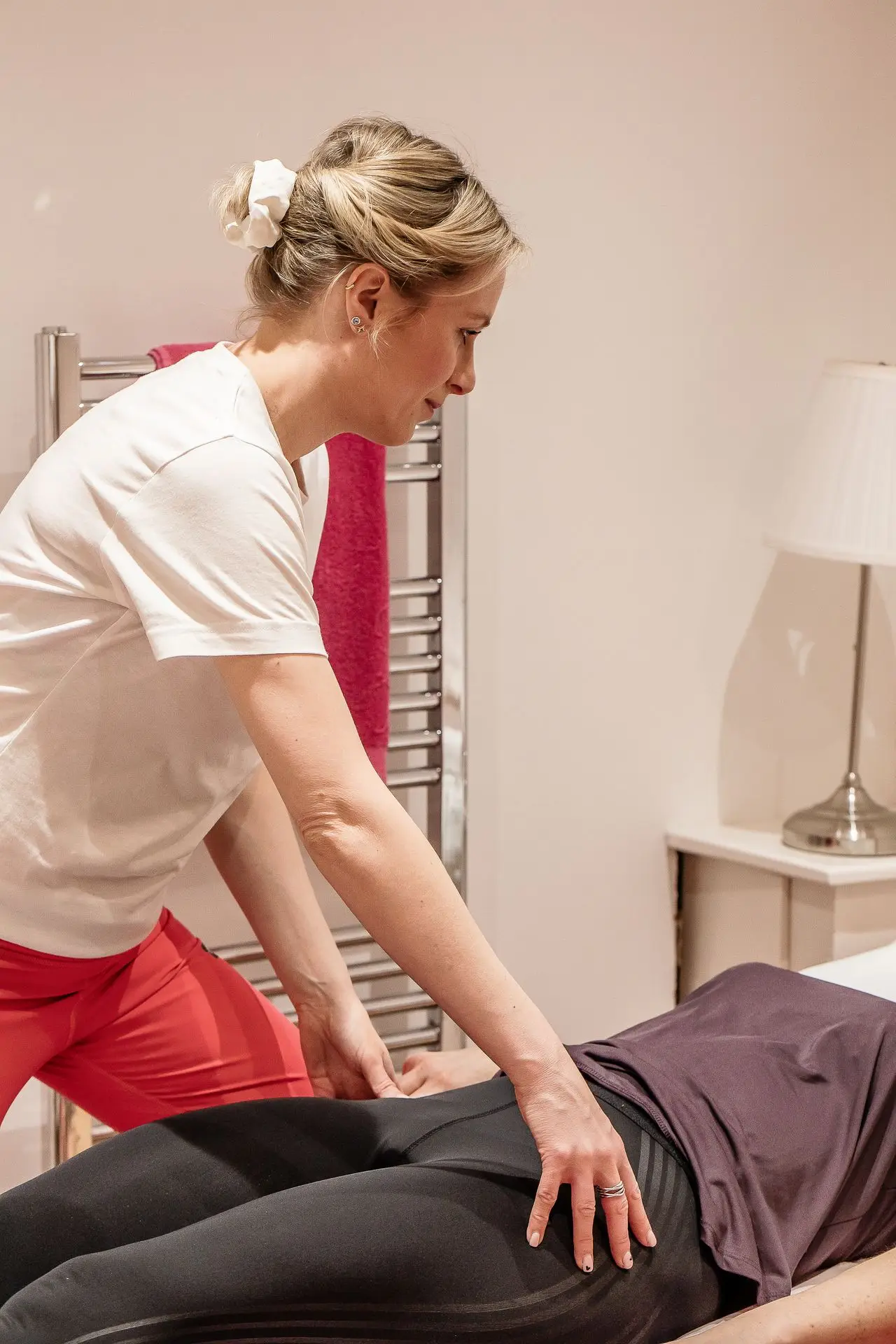
What happens in a pelvic-health physiotherapy assessment?
An assessment starts with your story. You should have time to discuss bladder, bowel, vaginal, sexual and
prolapse symptoms, alongside exercise, medical history and your goals.
Where appropriate and with your consent, an internal vaginal examination can assess pelvic-floor
contraction, endurance, coordination and relaxation, as well as tissue comfort and prolapse.
An internal examination is not compulsory. You can decline or stop it at any time.
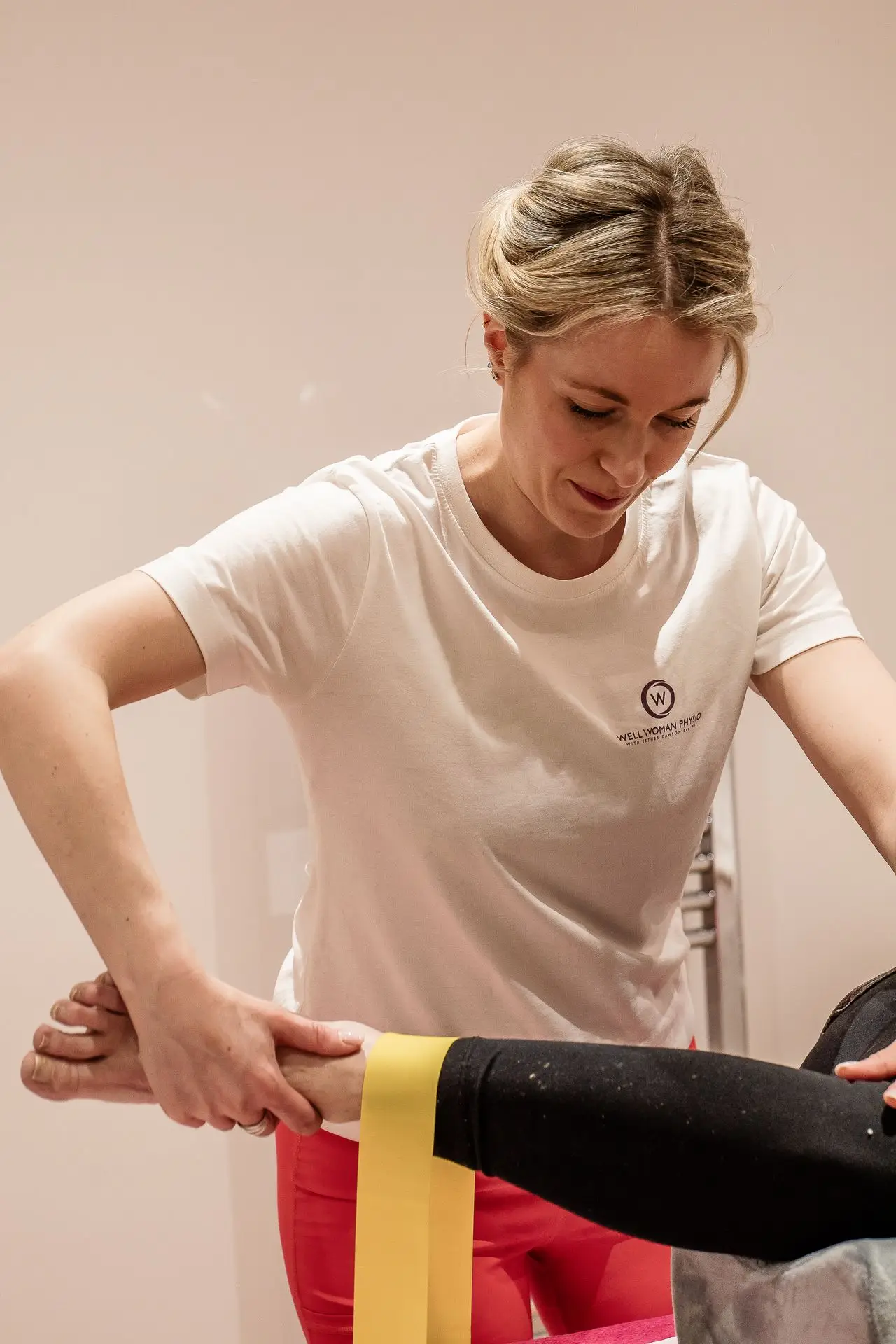
Treatment might include:
- an individual pelvic-floor programme;
- relaxation or down-training where muscles are overactive;
- bladder retraining and urge-deferral strategies;
- bowel and constipation management;
- advice around GSM and discussion of medical options to raise with your GP;
- whole-body strength and conditioning;
- graded return to running, lifting or sport;
- strategies for coughing, sneezing and everyday loading.
The plan should reflect your symptoms and goals rather than simply giving everyone the same pelvic-floor
exercises.
When should you seek medical advice?
Pelvic symptoms are common, but new or unexplained symptoms still deserve appropriate assessment.
Seek medical advice for unexplained vaginal bleeding, blood in the urine, a new vulval or vaginal lesion,
persistent unexplained pelvic pain, recurrent suspected UTIs, difficulty emptying your bladder, or
symptoms that are rapidly changing.If urinary symptoms are accompanied by fever, flank pain or significant systemic illness, seek prompt
medical assessment.
The key message
Menopause can affect the bladder, vagina, vulva and pelvic floor – but there is rarely one single explanation
for every symptom.
Dryness and irritation may need treatment for GSM. Urgency may benefit from bladder retraining as well as
consideration of vaginal oestrogen. Leakage may need pelvic-floor rehabilitation. Pain may require
relaxation rather than more squeezing. Prolapse symptoms may need a combination of rehabilitation,
bowel management, activity strategies and sometimes pessary or medical input.
You do not have to accept bladder leakage, painful sex, recurrent urinary symptoms or pelvic discomfort as
an inevitable part of getting older.
The most useful approach is to work out what is actually contributing – then treat that.
Experiencing bladder leakage, urgency or pelvic floor concerns during menopause? Book a pelvic health appointment at Well Woman Physio for an individual assessment and a practical plan tailored to you
Key references
- National Institute for Health and Care Excellence (NICE). Menopause: identification and management (NG23). Updated
April 2026. - British Menopause Society. Genitourinary Syndrome of Menopause (GSM) consensus statement. Reviewed November
2025; current resource accessed 2026. - National Institute for Health and Care Excellence (NICE). Urinary incontinence and pelvic organ prolapse in women:
management (NG123). - National Institute for Health and Care Excellence (NICE). Urinary tract infection (recurrent): antimicrobial prescribing
(NG112). - British Menopause Society. BMS PPMC Resources Toolkit. Evidence-based, peer-reviewed menopause resources.
Patient-facing educational content. It does not replace individual medical assessment, diagnosis or treatment.