Where to find us: On Wednesdays and Fridays @ Sicklinghall Cricket Club, Sickinghall , LS22 4BH.
Home visits areas covered: Wetherby, Harrogate, Boston Spa, Collingham, Linton, Spofforth, Kirk Deighton, Kirkby Overblow, Weeton, Leathley & More.

At Well Woman Physio, we provide evidence-based assessment and treatment for bladder, bowel and pelvic floor symptoms in women of all ages.
Many bladder and bowel symptoms are common, but they are not always something you simply have to live with. Pelvic floor physiotherapy can help identify contributing factors and support recovery through education, exercise and personalised treatment.
We see women from Wetherby, Harrogate, Boston Spa, Collingham, Spofforth, Kirk Deighton and the surrounding areas.
The bladder, pelvic floor and nervous system work together to store urine and allow normal bladder emptying.
Bladder symptoms can develop for different reasons, and often more than one factor is involved.
The pelvic floor muscles and supporting tissues help maintain bladder control.
Symptoms may occur when the pelvic floor muscles become:
Weak or underactive
Overactive or unable to relax
Poorly coordinated
Affected by pregnancy, childbirth or menopause
Influenced by pelvic organ prolapse
Symptoms may include:
Leaking with coughing, sneezing or exercise
Difficulty controlling urgency
A feeling of pelvic heaviness or pressure
Difficulty fully emptying the bladder
The bladder is also closely linked to the nervous system.
Sometimes the bladder becomes overly sensitive, meaning the brain receives stronger or earlier signals that the bladder needs emptying, even when the bladder is not full.
Factors that may contribute include:
Habitually going to the toilet “just in case”
Stress and anxiety
Previous urinary tract infections
Persistent bladder symptoms
Menopause-related changes
Increased nervous system sensitivity
Symptoms may include:
Urinary urgency
Urinary frequency
Feeling the need to know where toilets are
Waking multiple times at night to pass urine
Difficulty postponing bladder urges
Many women experience a combination of pelvic floor factors and bladder sensitivity, which is why a thorough assessment is important.
Healthy bowel function depends on stool consistency, hydration, diet, pelvic floor coordination and effective emptying mechanics.
Constipation and bowel dysfunction may contribute to pelvic floor symptoms, prolapse symptoms and bladder problems.
Broadly, bowel difficulties often fall into two areas.
If stool becomes too hard, dry or difficult to pass, constipation may develop.
Contributing factors may include:
Low fluid intake
Inadequate dietary fibre
Changes in routine
Hormonal changes
Medication side effects
Sometimes the stool itself is normal, but the muscles involved in emptying do not coordinate effectively.
This may lead to:
Straining
Incomplete emptying
Difficulty relaxing the pelvic floor
Excessive pushing
The feeling that stool is “stuck”
Understanding how the bowel and pelvic floor work together can often improve symptoms.
Stress urinary incontinence
Urinary urgency
Urinary frequency
Waking frequently at night to pass urine
Constipation
Straining to open the bowels
Incomplete bowel emptying
Pregnancy and postnatal bladder symptoms
Menopause-related bladder symptoms
Pelvic organ prolapse symptoms
Assessment may include discussion of your symptoms, bladder and bowel habits, lifestyle factors, breathing patterns, movement and pelvic floor function.
Treatment may include:
Pelvic floor muscle assessment
Pelvic floor strengthening or relaxation
Bladder retraining strategies
Urge suppression techniques
Breathing and pressure management
Bowel emptying advice
Constipation management strategies
Exercise rehabilitation
Lifestyle and fluid advice
Please seek medical advice if you experience:
Blood in the urine
Blood in the stool
Unexplained weight loss
Sudden changes in bowel habits
Recurrent urinary tract infections
Severe pelvic pain
Loss of bladder or bowel control
New neurological symptoms
Needing to pass urine more often then normal can occur for many reasons, including bladder sensitivity, fluid habits, pelvic floor dysfunction or hormonal changes.
Physiotherapy may help identify contributing factors and provide bladder retraining, urge suppression strategies and pelvic floor rehabilitation where appropriate.
Physiotherapy can help address bowel emptying mechanics, pelvic floor coordination, breathing patterns and straining behaviours.
Internal assessment is always optional and will only be performed with your informed consent if appropriate.
If bladder or bowel symptoms are affecting your quality of life, physiotherapy assessment may help identify contributing factors and support recovery.
Book online:
https://well-woman-physio.selectandbook.com
Related article: Leaking when you run after having a baby : What actually helps
You may also find our Pelvic Floor Health page and Pregnancy & Postnatal Physiotherapy page helpful
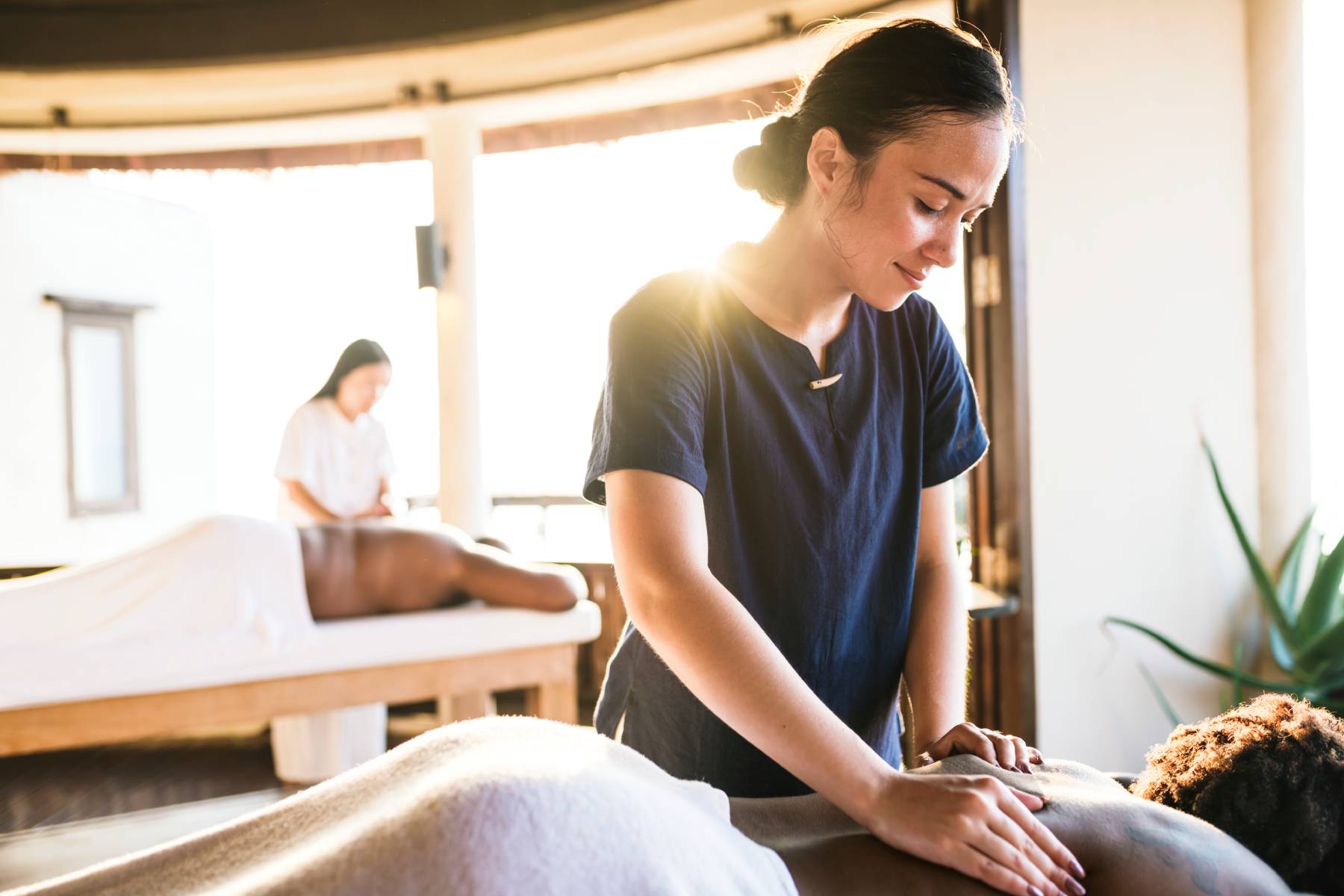
30-Minute Massage – A focused treatment targeting specific areas of tension, pain, or discomfort. Ideal for those needing relief from muscle tightness, stress, or minor aches in a particular area, such as the neck, shoulders, or lower back. A great option for a quick yet effective reset.
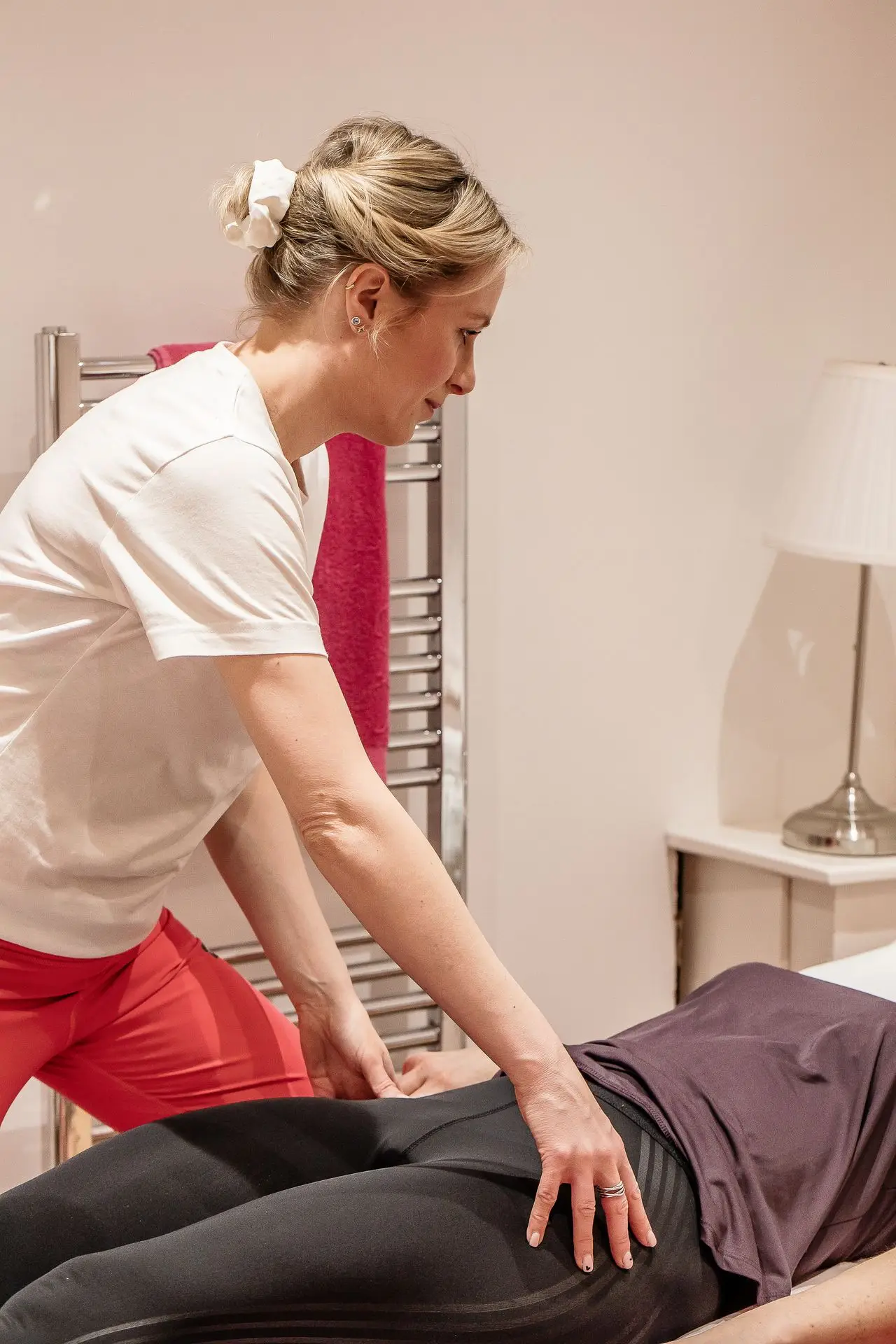
This comprehensive pelvic health appointment is designed for women experiencing a range of concerns, including pelvic floor weakness, diastasis recti (abdominal muscle separation often occurring after pregnancy), back pain, and hip pain. We’ll assess your posture, breathing patterns, core strength, and movement mechanics, often using external techniques. Depending on your specific needs and symptoms, an internal examination may be beneficial for a more thorough evaluation. We’ll discuss this possibility with you, ensuring you feel comfortable and informed every step of the way. Together, we’ll create a personalised plan involving exercises, manual therapy, and lifestyle advice to improve your function, reduce pain, and enhance your overall well-being.

We understand that some pain conditions are complex and require a more in-depth approach. To ensure we can thoroughly assess your needs and provide the best possible care, we recommend booking a complex initial consultation if you have multiple areas of pain, or if your pain has been longstanding or has a complex history. This will allow us to listen carefully and understand your unique situation. While a standard initial consultation may be sufficient for some, a complex consultation helps us avoid needing a second appointment and ensures we can address all your concerns from the start.
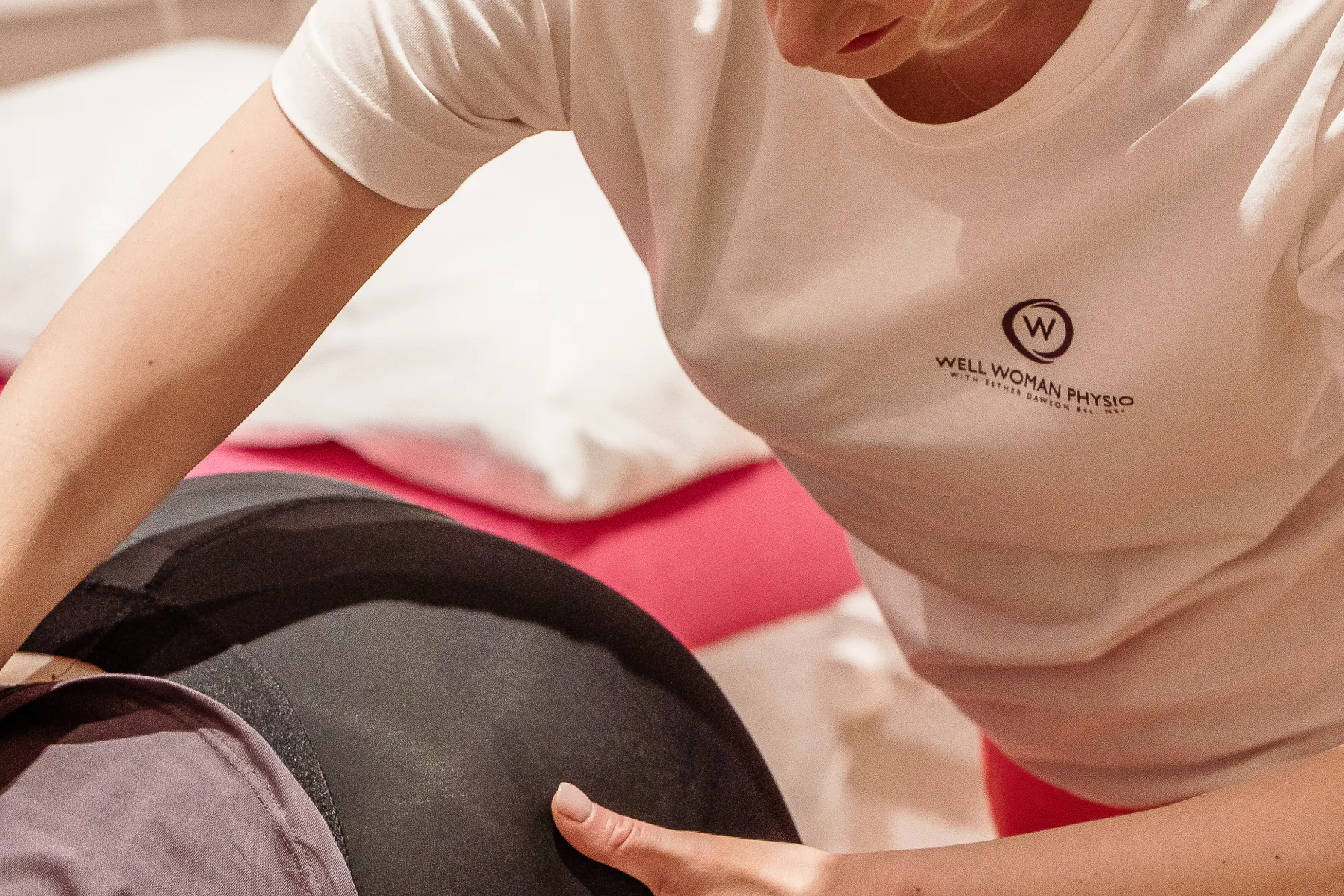
If you’re managing complex or multiple health concerns, our 90-minute Home Visit Complex Appointment is designed for you. We’ll take the time to thoroughly assess your needs and create a highly personalised treatment plan, all in the comfort and convenience of your own home. Experience in-depth care without the stress of travel.
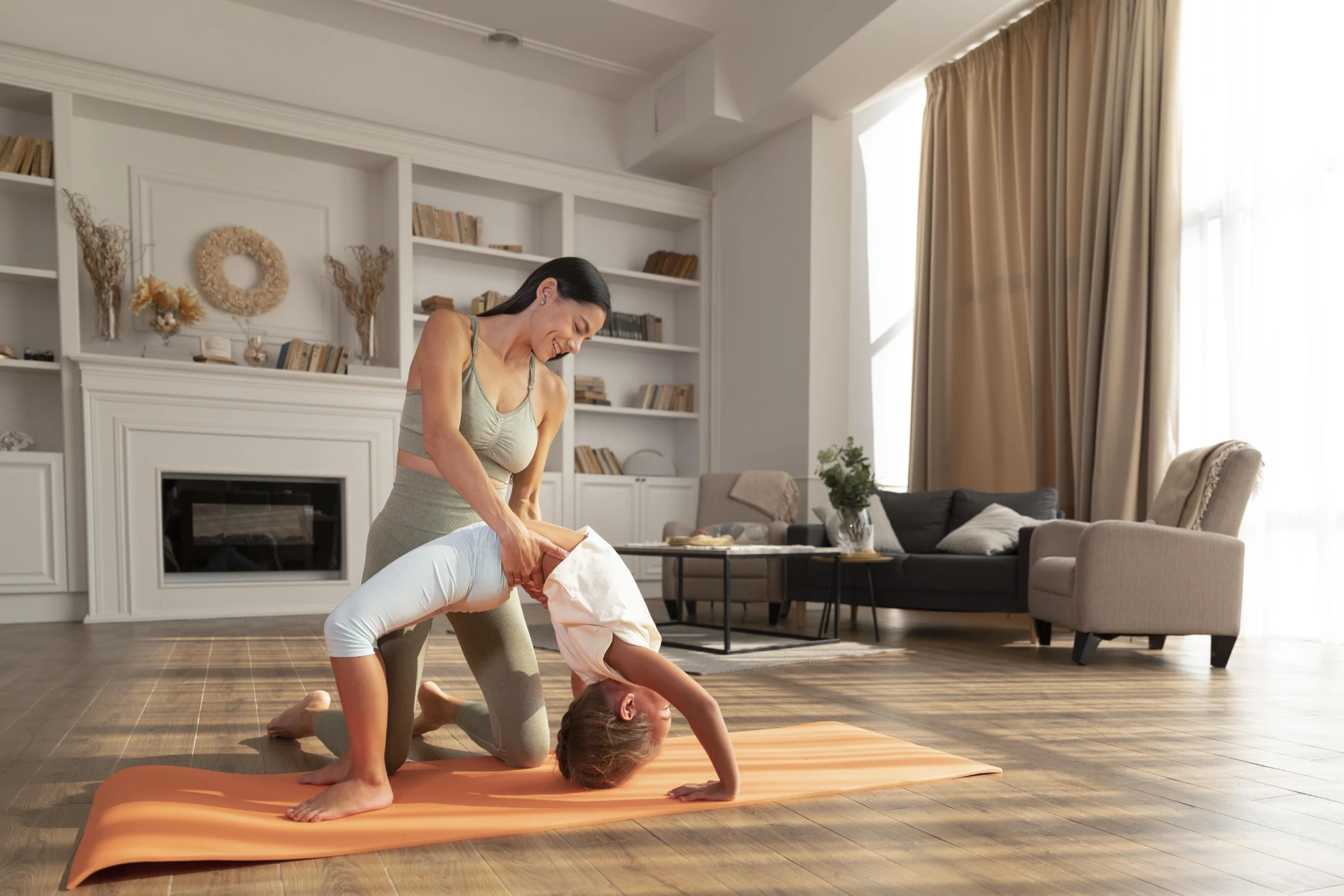
Enjoy the convenience and comfort of a 60-minute initial assessment and treatment plan creation in your own home. Whether you’re short on time, prefer the familiarity of your own space, or simply want to avoid travel, our home visit option brings expert physiotherapy directly to you. Experience personalised care without leaving your front door.
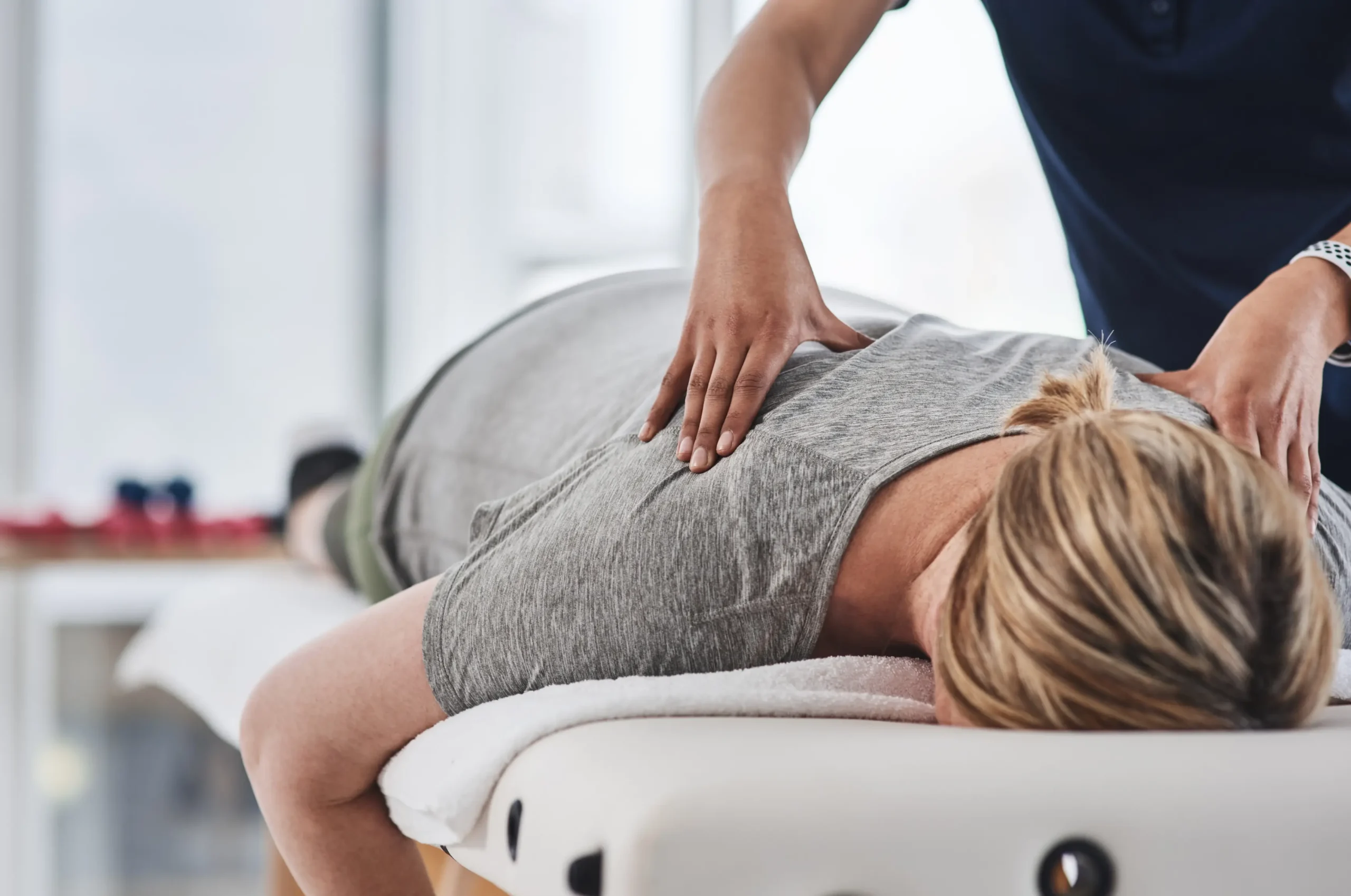
Your 45-minute therapeutic massage (60 minutes including assessment) will be personalised to address your unique needs. We’ll start with a consultation to discuss your areas of focus, and then tailor the massage techniques to provide the most effective treatment for your body
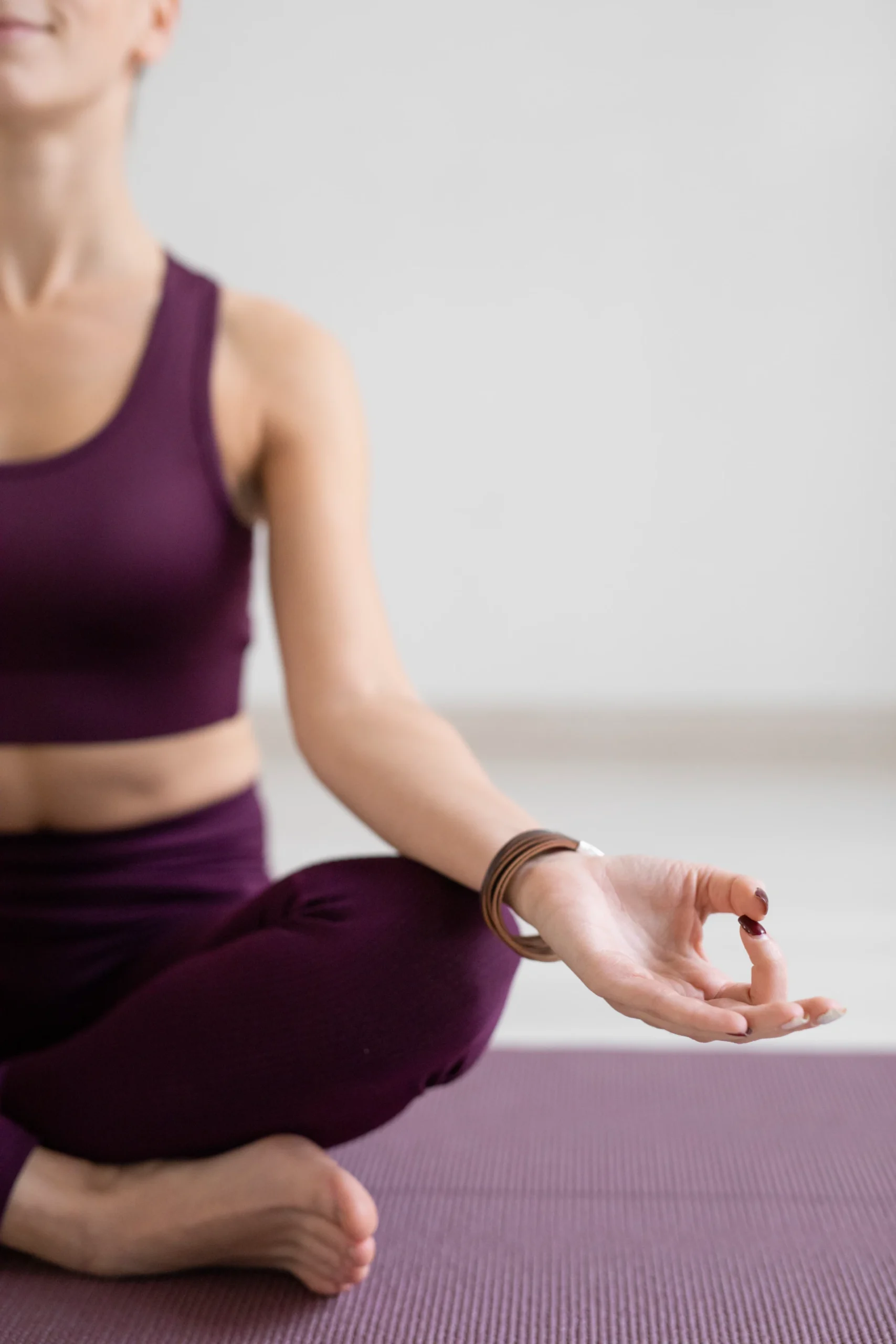
15mins consultation and 45min yoga practice. Escape the stresses of daily life with a restorative yoga session. This practice focuses on deep relaxation and gentle stretching, using props like blankets, bolsters, and blocks to support your body in comfortable, passive poses.Restorative yoga helps to release tension in the body, calm the nervous system, improve sleep, and enhance overall well-being. All levels are welcome, no flexibility is required.

1:1 yoga offers a level of individualisation that’s simply not possible in a class environment. Whether you have specific injuries, limitations, or goals, your sessions will be designed to address them directly. We’ll work together to modify poses, explore variations, and create a practice that’s safe, effective, and perfectly suited to your needs.
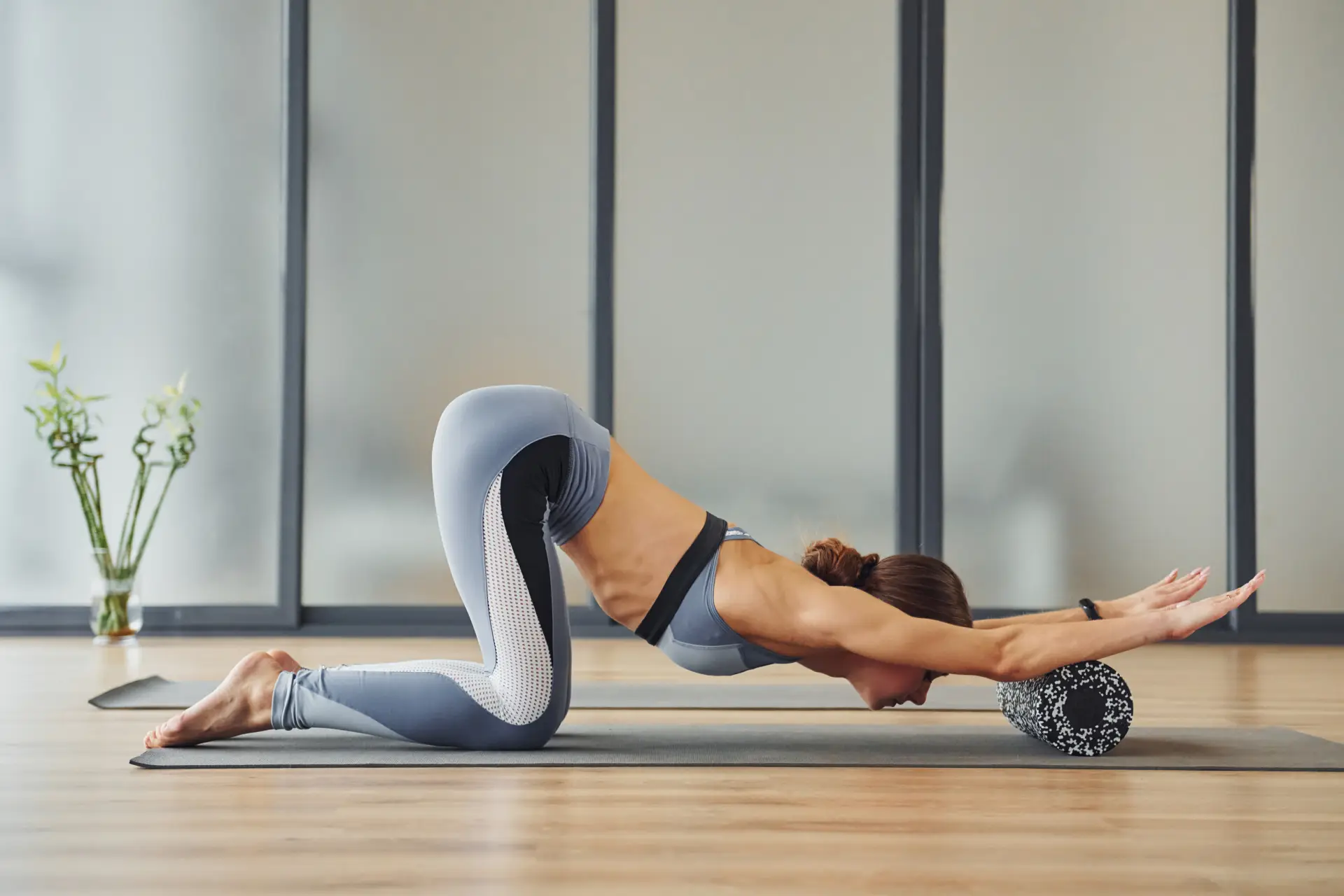
15mins consultation and 45mins yoga practice. Embark on your personalised yoga journey! This initial appointment begins with a thorough discussion and assessment of your unique needs and goals. Together, we’ll then design a custom yoga program tailored specifically for you. Follow-up sessions can be conveniently held in the comfort of your own home or at the clinic, whichever you prefer.
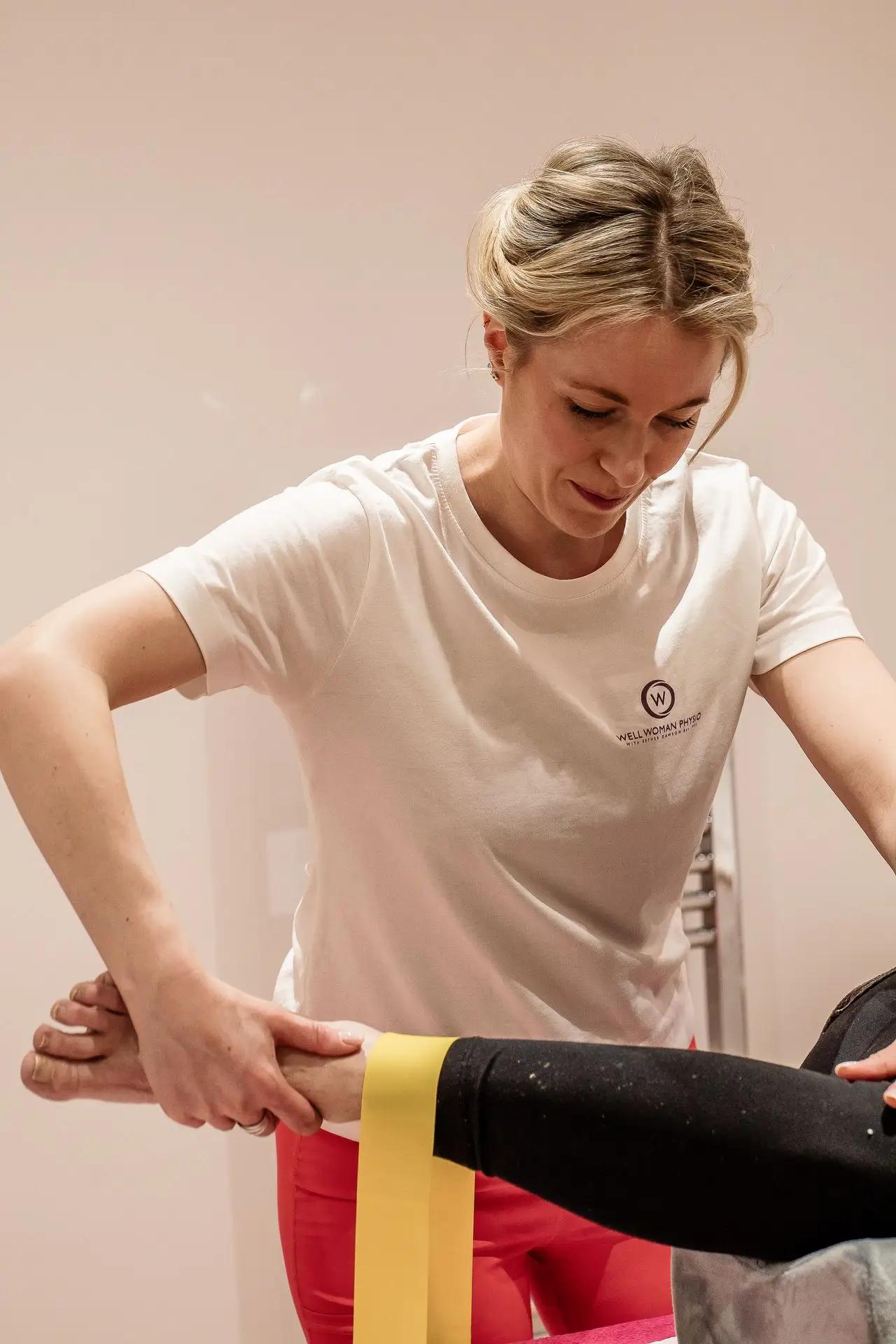
In this 45 minute follow-up session, we’ll implement the treatment plan we discussed and agreed upon during your initial consultation.
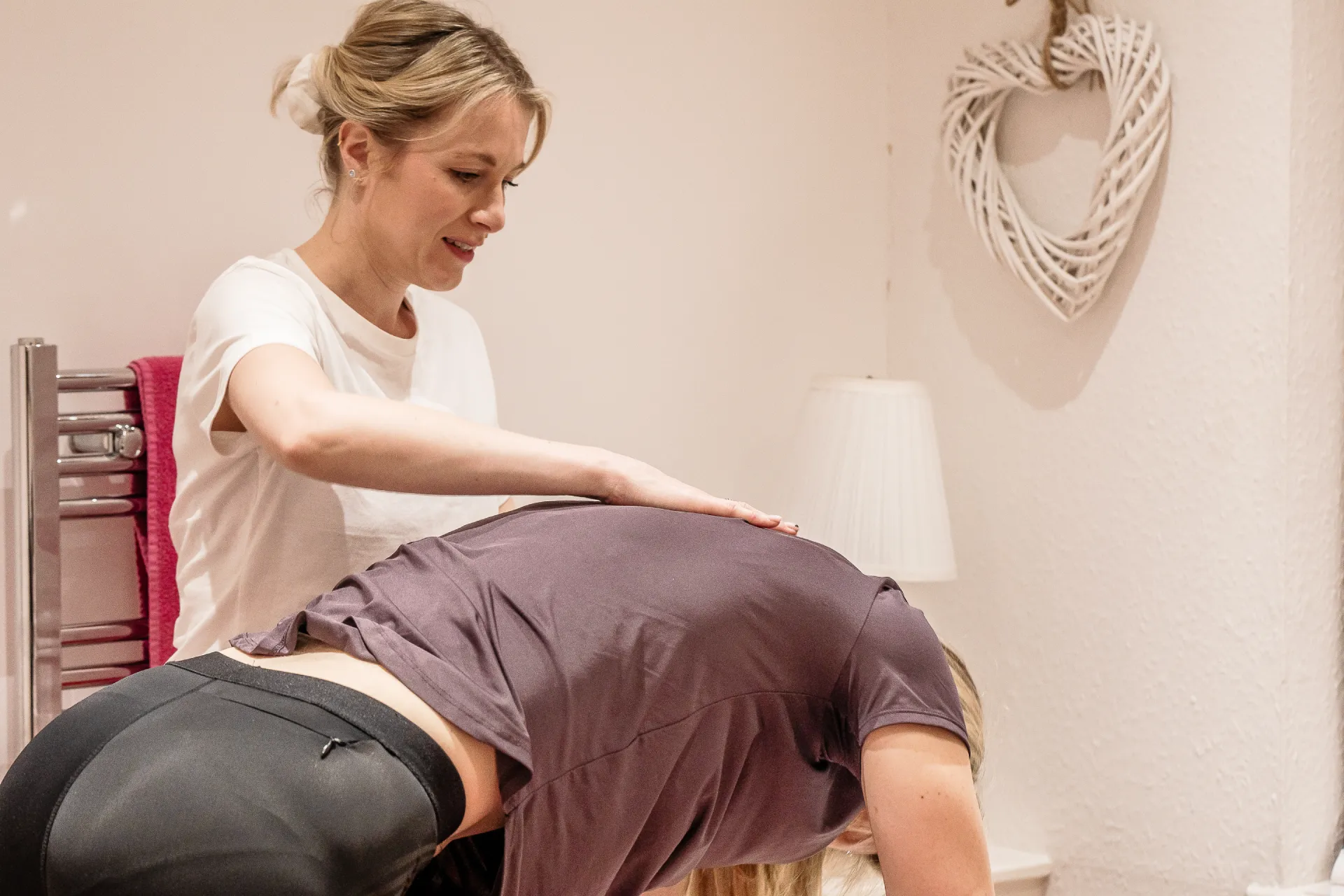
During this comprehensive 60-minute initial appointment, we’ll take the time to truly understand your concerns and goals. We’ll then partner with you to develop a tailored treatment plan, designed specifically to address your individual needs and guide you towards lasting results
Curious about how physiotherapy can address your needs? Schedule a free 15-minute telephone consultation. We’ll listen to your concerns and explain how we can help you achieve your goals