
Navigating Postpartum Pelvic Health
Pelvic floor recovery after childbirth can feel confusing. When should you start exercises? How much is enough? And what if you notice leaking, heaviness or discomfort?
You don’t need to rush back to your previous routine. Recovery involves healing, gradually rebuilding strength and finding confidence in movement—with support when you need it.
What happens to your pelvic floor during pregnancy and birth?
Your pelvic floor muscles help support your bladder, bowel and womb, control continence and contribute to sexual function.
Pregnancy places extra demands on these muscles and their supporting tissues. Vaginal birth can stretch or injure them, but having a caesarean birth does not mean your pelvic floor has been unaffected by pregnancy.
After birth, you may notice reduced strength, altered sensation or difficulty coordinating a squeeze and release. Some women also experience pain or difficulty relaxing the muscles. This is why recovery needs to be individual.
How do I start pelvic floor exercises?
Gentle pelvic floor exercises can usually begin when you feel comfortable after birth, including after a caesarean or perineal stitches. If you have a urinary catheter, wait until it has been removed and you are passing urine normally. Follow any specific advice from your maternity team.
Try these steps:
- Get comfortable in lying or sitting.
- Imagine gently closing around your back passage and vagina, then lifting inward.
- Keep breathing rather than holding your breath or bearing down.
- Release completely and allow the muscles to relax before repeating.
Start with what you can manage comfortably. Over time, your programme can include both longer holds and short squeezes, with rest between repetitions.
If exercises hurt, cause pressure or leave you unsure whether you are squeezing correctly, seek advice rather than simply doing more.
Where does breathing fit in?
Relaxed breathing can help you practise movement without holding your breath or bracing hard.
Let your lower ribs, tummy and back gently expand as you breathe in. You may find it easier to practise a gentle pelvic floor lift as you breathe out, followed by a complete release.
Breathing is a useful starting point, but it does not replace pelvic floor strengthening when strengthening is needed. You also don’t need to contract your pelvic floor with every breath throughout the day.
How much activity should I do?
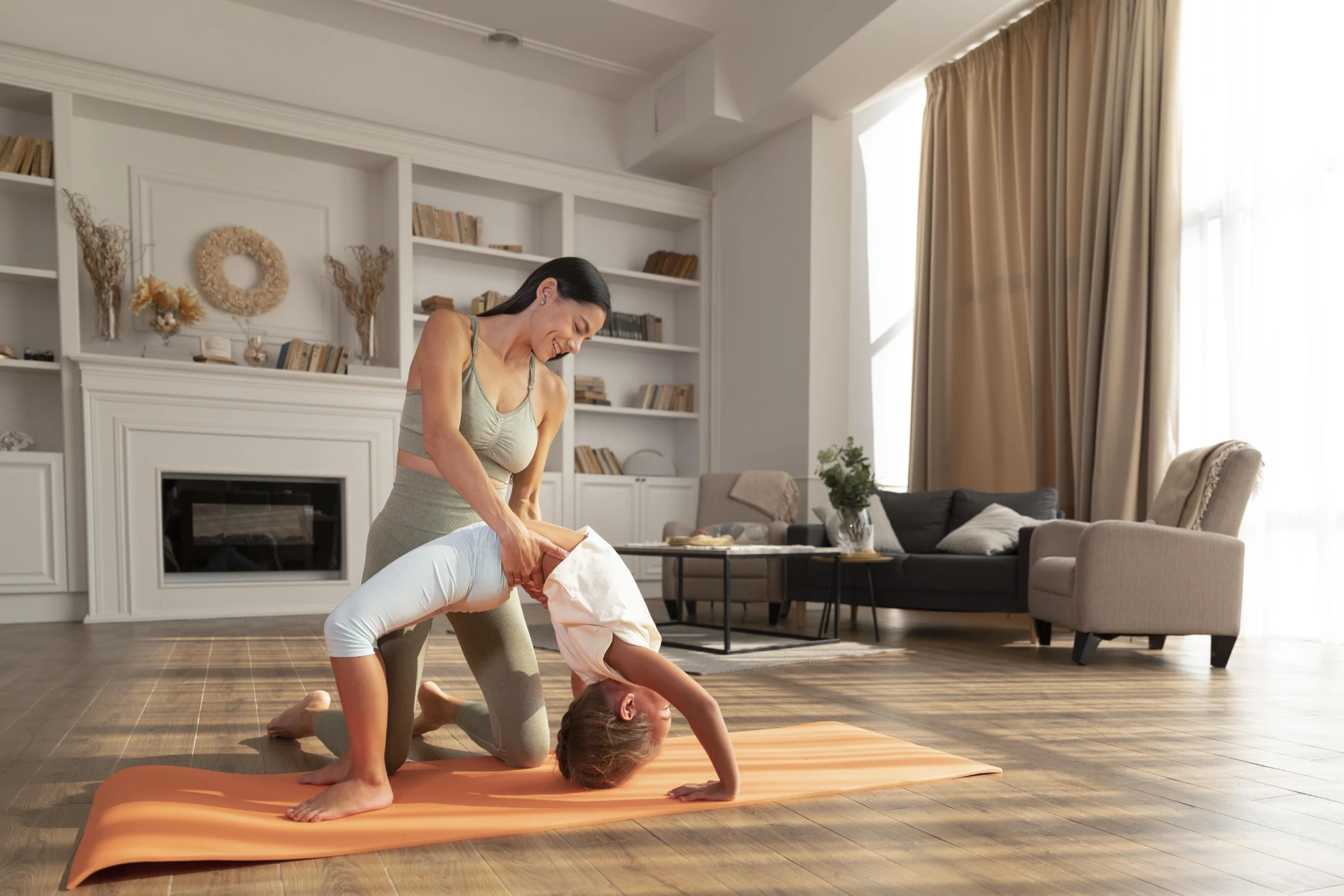
After a straightforward birth, gentle walking and comfortable movement can begin when you feel ready. Start with manageable amounts and build gradually.
If you have had a caesarean, significant tear or other complications, follow your maternity team’s advice about healing and activity.
There is no need to hold yourself rigidly upright all day. Choose comfortable positions, change position regularly and use support when feeding or carrying your baby.
Rest matters too. Short, achievable periods of activity may fit your recovery better than trying to return immediately to your previous routine.
What if I notice leaking, heaviness or discomfort?
These symptoms are common after childbirth, but you do not have to accept them as your new normal.
If an activity brings on symptoms, reduce or adapt it for now and seek support if symptoms persist, worsen or concern you. Symptoms alone cannot tell us whether the main issue is strength, coordination, relaxation or healing.
A pelvic health assessment can help identify what is contributing and guide your next steps.
When can I return to running or heavier exercise?
Running, jumping and heavier strength training place greater demands on your recovering body. Build towards them gradually, taking account of healing, symptoms, strength and exercise tolerance.
Your postnatal check is an opportunity to discuss recovery, but reaching a particular week does not automatically mean you are ready for every activity.
If your goal is returning to running, lifting weights or sport, an individual assessment can help you plan that progression.
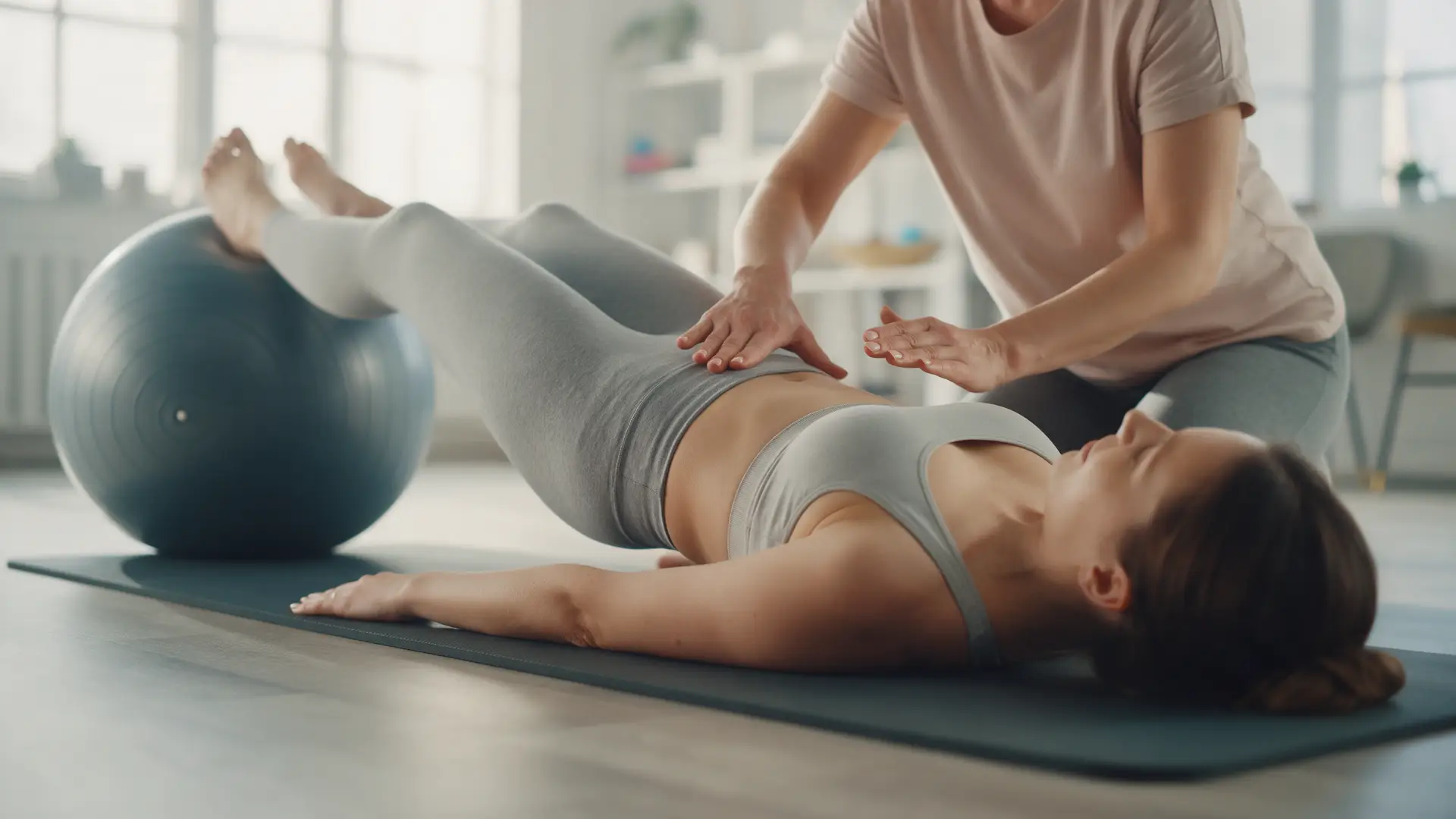
How can postnatal physiotherapy help?
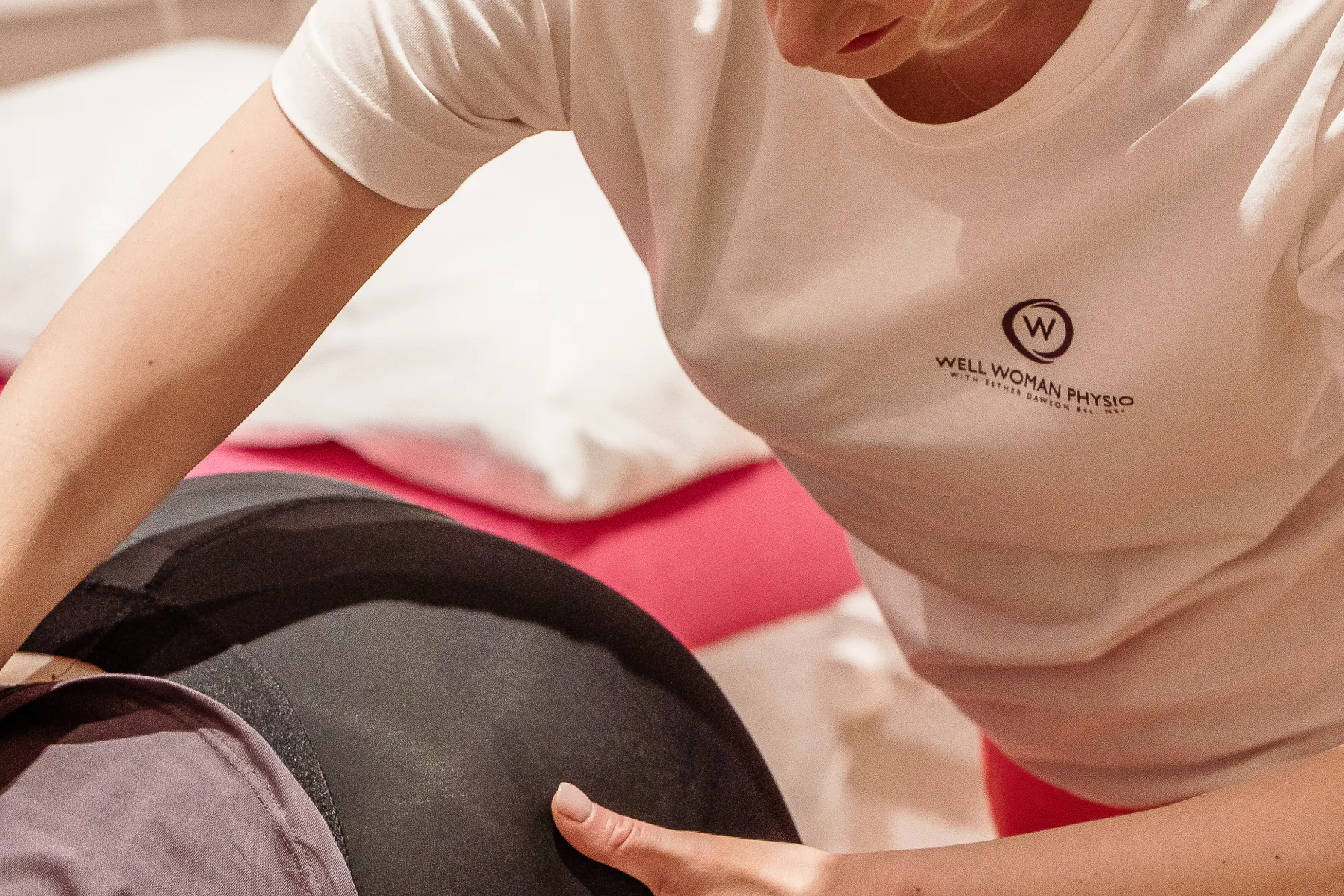
At Well Woman Physio in Sicklinghall, near Wetherby and Harrogate, we’ll discuss your birth, symptoms and the activities you want to return to.
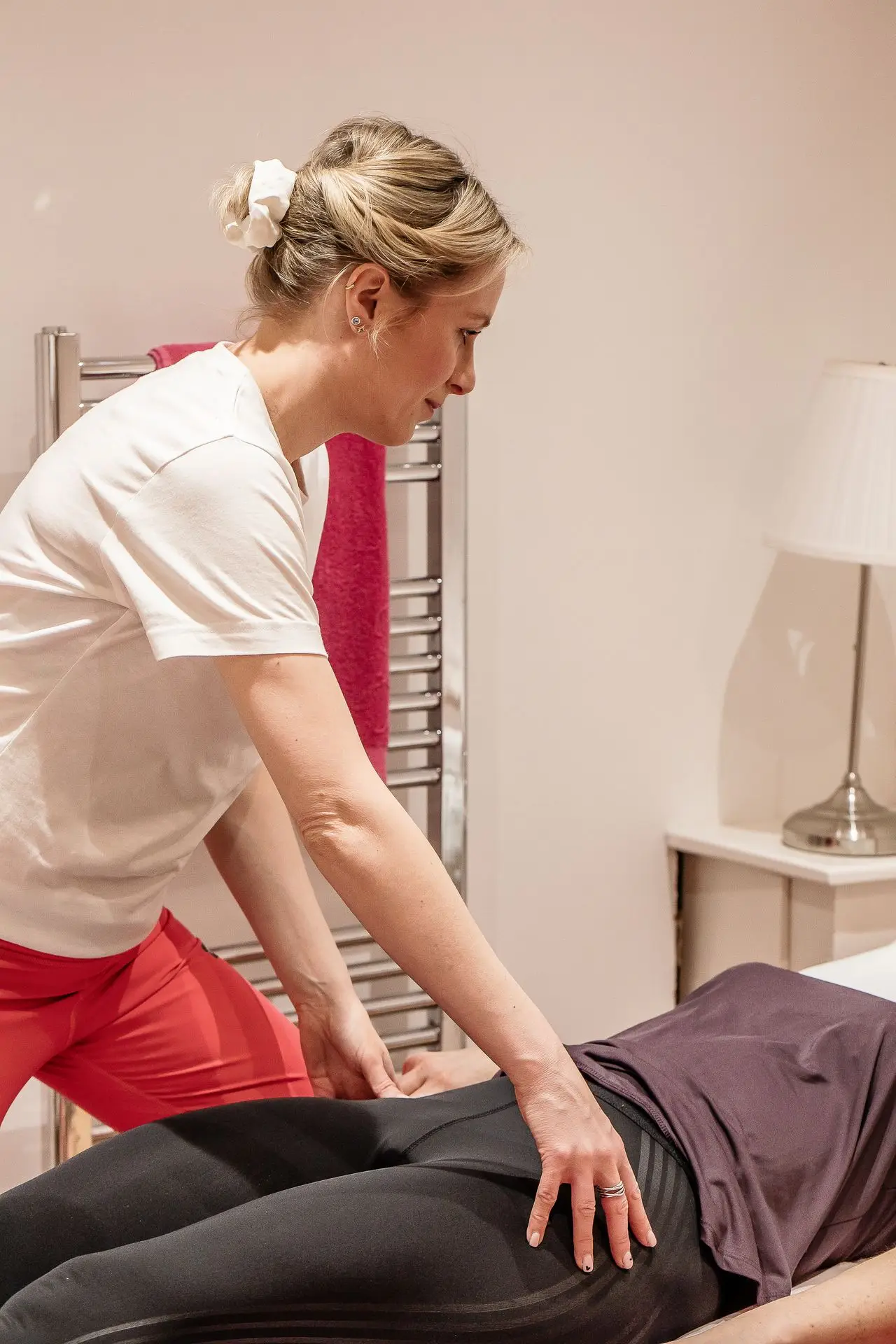
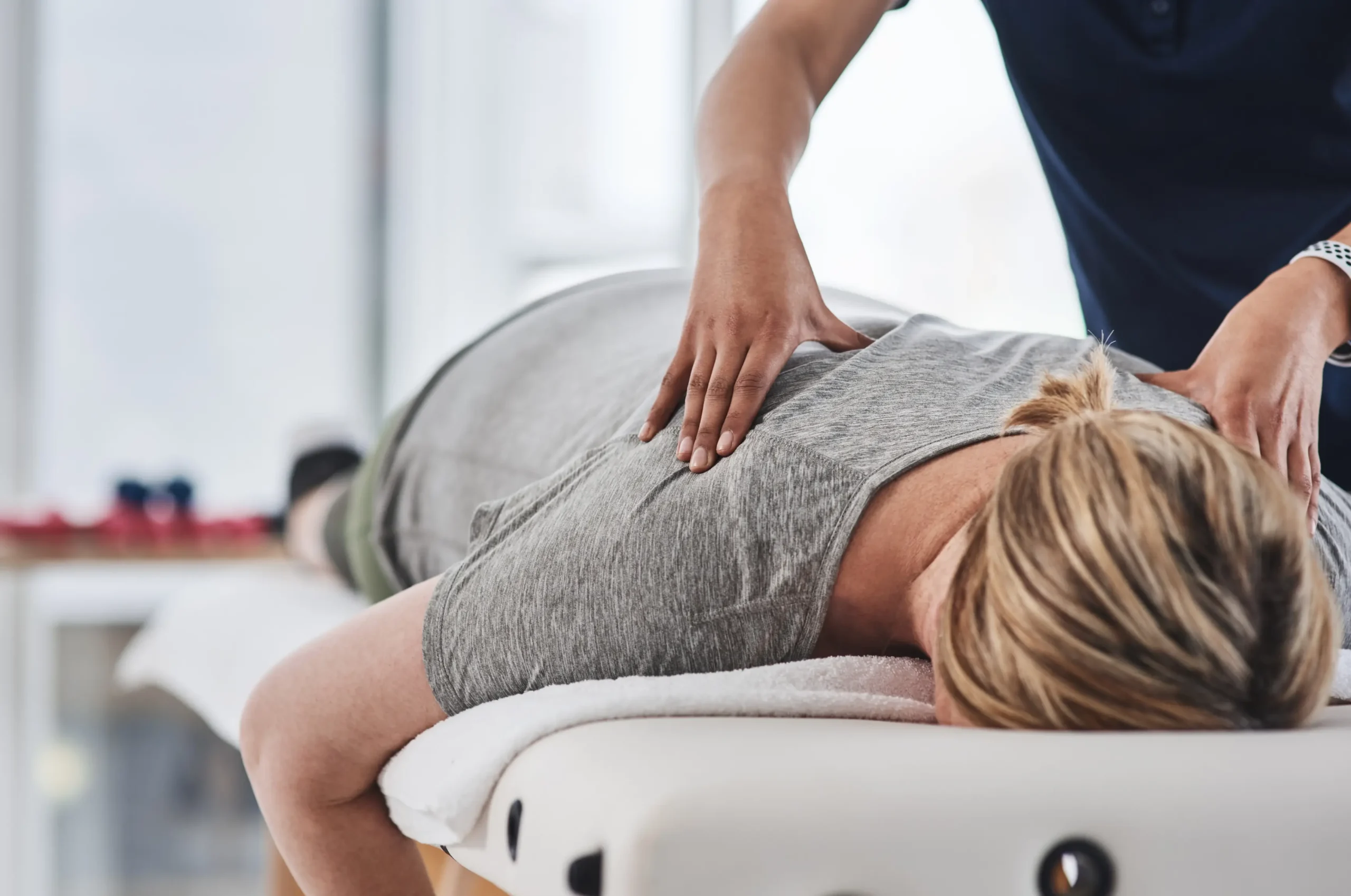
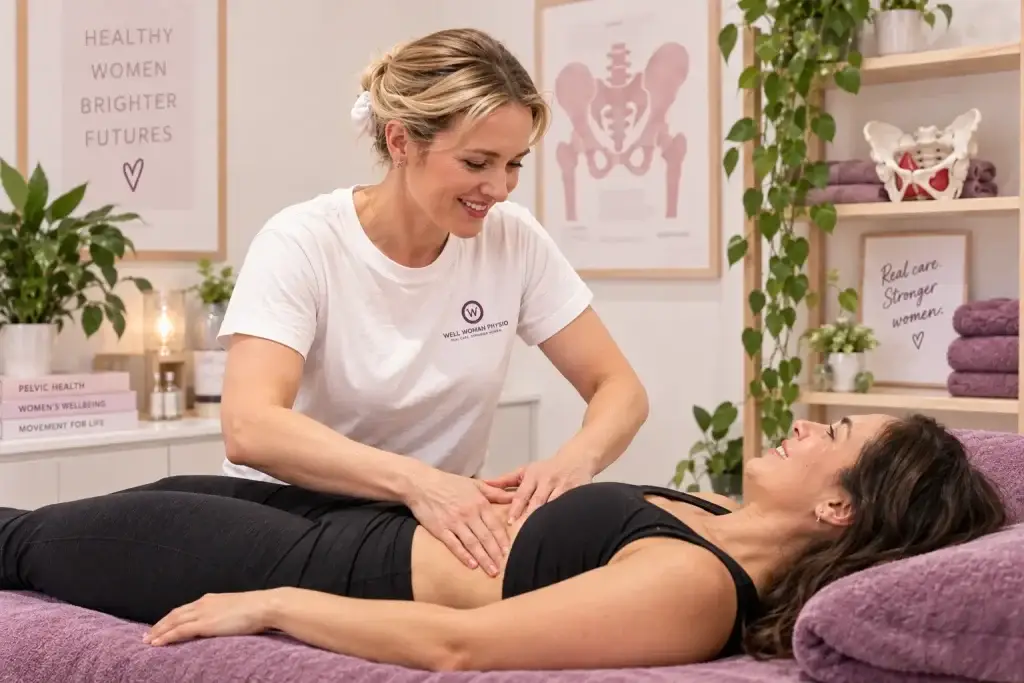
Your assessment may include pelvic floor function, abdominal recovery, movement and strength. An internal vaginal assessment may be offered where appropriate, with your consent.
We’ll agree a practical plan that fits your starting point and everyday life—whether your goal is comfortable walks, lifting your baby or returning to the gym.