
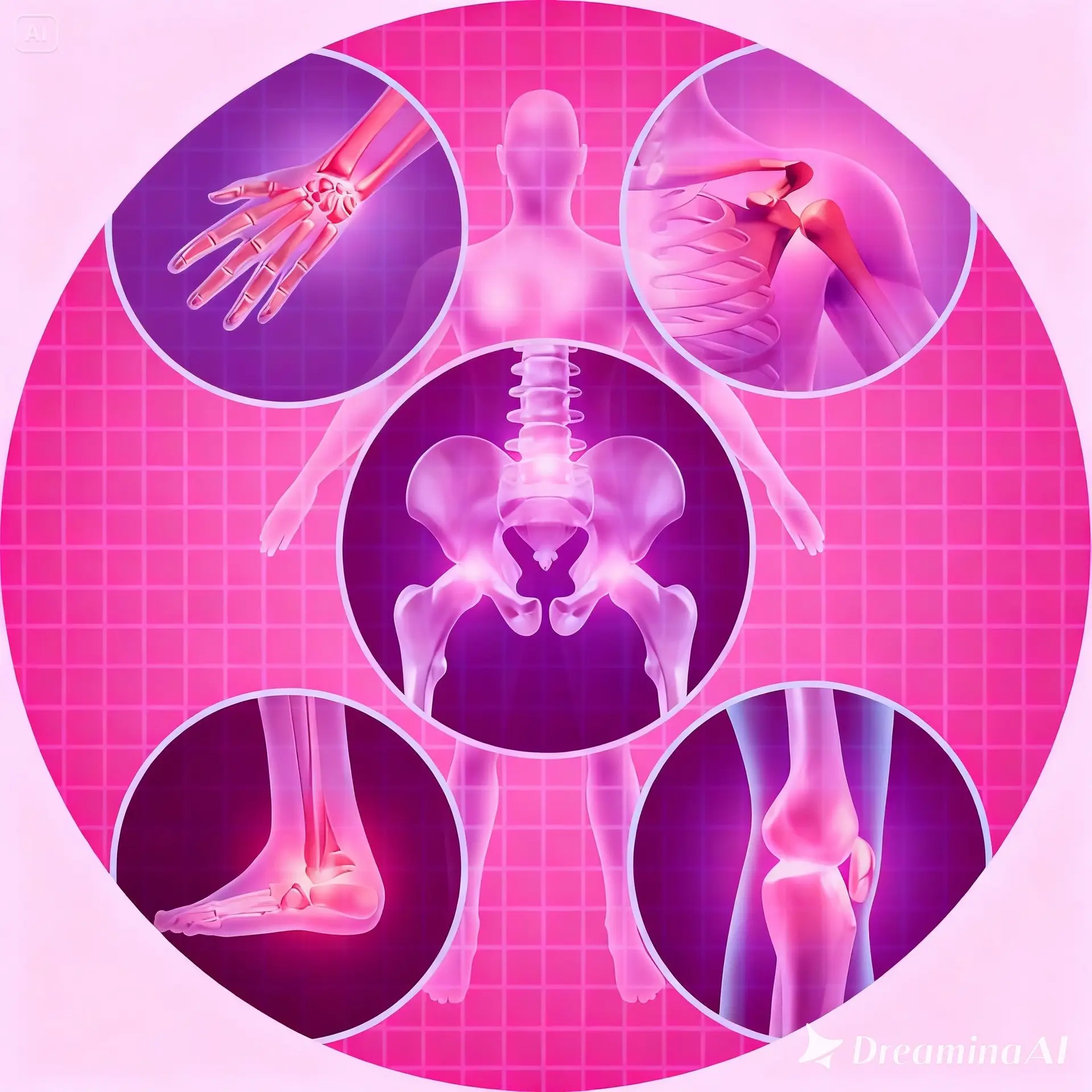
Musculoskeletal (MSK) symptoms are one of the most common, but least discussed, features of the menopausal transition. For many women, new or worsening pain in tendons, joints, muscles, and connective tissue can appear in midlife without a clear injury or diagnosis.
Recent high-quality research is now confirming what many clinicians and patients have observed for years: the menopausal transition is strongly associated with an increase in MSK pain and conditions affecting movement and function.
A large systematic review and meta-analysis including over 93,000 women found that more than half of perimenopausal and postmenopausal women experience musculoskeletal pain, compared with around 40% of premenopausal women, representing a significant increase during the menopausal transition. (click to read this study in full).
Importantly, this is not limited to “general aches and pains.” Growing evidence suggests a broader pattern, often described as the musculoskeletal syndrome of menopause, involving tendons, ligaments, fascia, joints, and muscle function.
⸻
Why does menopause affect the musculoskeletal system?
While ageing and activity levels both play a role, hormonal changes—particularly declining oestrogen—appear to influence MSK tissues.
- Oestrogen receptors exist in musculoskeletal tissue
Oestrogen receptors are present in:
● Tendons
● Ligaments
● Cartilage
● Bone
● Synovial tissue
This means these tissues are biologically responsive to hormonal change. - Connective tissue changes
Lower oestrogen levels are associated with:
● Changes in collagen metabolism
● Reduced tissue elasticity and recovery capacity
● Altered pain sensitivity
● Potential increases in inflammatory signalling within joints
These mechanisms are still being researched, but are consistently suggested across MSK and menopause literature. - Increased prevalence of pain during transition
Across large population studies, MSK pain increases significantly during peri- and post-menopause compared with premenopausal stages.
Clinically, this often presents as:
● Tendon pain (Achilles, gluteal, rotator cuff, elbow)
● Frozen shoulder
● Plantar fasciopathy
● Hip and pelvic girdle pain
● Generalised stiffness and delayed recovery
⸻
Tendons and menopause: why are they so commonly affected?
Tendons appear particularly sensitive to hormonal change due to their collagen structure and load-response behaviour.
Common patterns include:
● New onset tendinopathy without a clear overload event
● Slower recovery from exercise
● Increased morning stiffness or “start-up pain”
● Pain shifting between sites (multifocal tendinopathy)
Although ageing and training load are still relevant, many women report symptom onset that does not match their previous activity tolerance.
Emerging clinical discussion and patient-reported data suggest a combination of:
● Reduced tendon stiffness regulation
● Altered neuromuscular control
● Increased pain amplification
● Reduced recovery capacity
This aligns with the broader concept of musculoskeletal syndrome of menopause, increasingly referenced in clinical education (including menopause-focused practitioner training frameworks such as The Menopause Movement).
⸻
The role of HRT in musculoskeletal symptoms
Hormone replacement therapy (HRT) is often discussed in relation to hot flushes and sleep, but its effects on MSK symptoms are less clear.
A large systematic review of over 3.9 million participants found:
● No consistent overall effect of HRT on generalised MSK pain
● Significant heterogeneity between studies
● Limited high-quality data on specific conditions such as tendinopathy or osteoarthritis
However, clinically and anecdotally:
● Some women report significant improvement in tendon and joint pain with HRT
● Others report minimal change
This variability likely reflects:
● Different tissue sensitivity
● Duration of symptoms before treatment
● Activity load and strength status
● Individual hormonal responsiveness
At present, HRT should be considered one potential part of a broader MSK management strategy rather than a standalone treatment.
⸻
Exercise: the most consistent evidence-based intervention
Unlike pharmacological approaches, exercise has strong evidence for improving both MSK health and menopausal symptoms.
A systematic review shows that strength training can reduce menopausal symptoms and improve musculoskeletal function.
Key mechanisms include:
● Improved tendon load capacity
● Increased muscle strength and support
● Improved insulin sensitivity and metabolic health
● Pain modulation via central nervous system adaptation
In practice, this means:
● Progressive resistance training is essential
● Load needs to be carefully dosed (not avoided)
● Recovery time may need adjustment during the transition
⸻
Clinical takeaway: what this means for women
Musculoskeletal symptoms during menopause are:
● Common
● Biologically plausible
● Often under-recognised
● Highly variable between individuals
Importantly, they are not “just ageing” or something to push through.
Instead, they represent a tissue adaptation phase where:
● Hormonal changes affect load tolerance
● Recovery capacity may temporarily reduce
● Exercise needs smarter progression, not cessation
⸻
When to seek assessment
You should consider an assessment if you experience:
● Persistent tendon pain lasting >6–8 weeks
● Multiple sites of new pain without clear injury
● Significant morning stiffness
● Reduced exercise tolerance
● Pain affecting sleep or daily function
A good clinical assessment should rule out:
● Inflammatory arthritis
● Neurological causes
● Structural injury
Before attributing symptoms solely to menopause.